Tracing the Evolution of Secure Payment Methods in Online Number Game Platforms
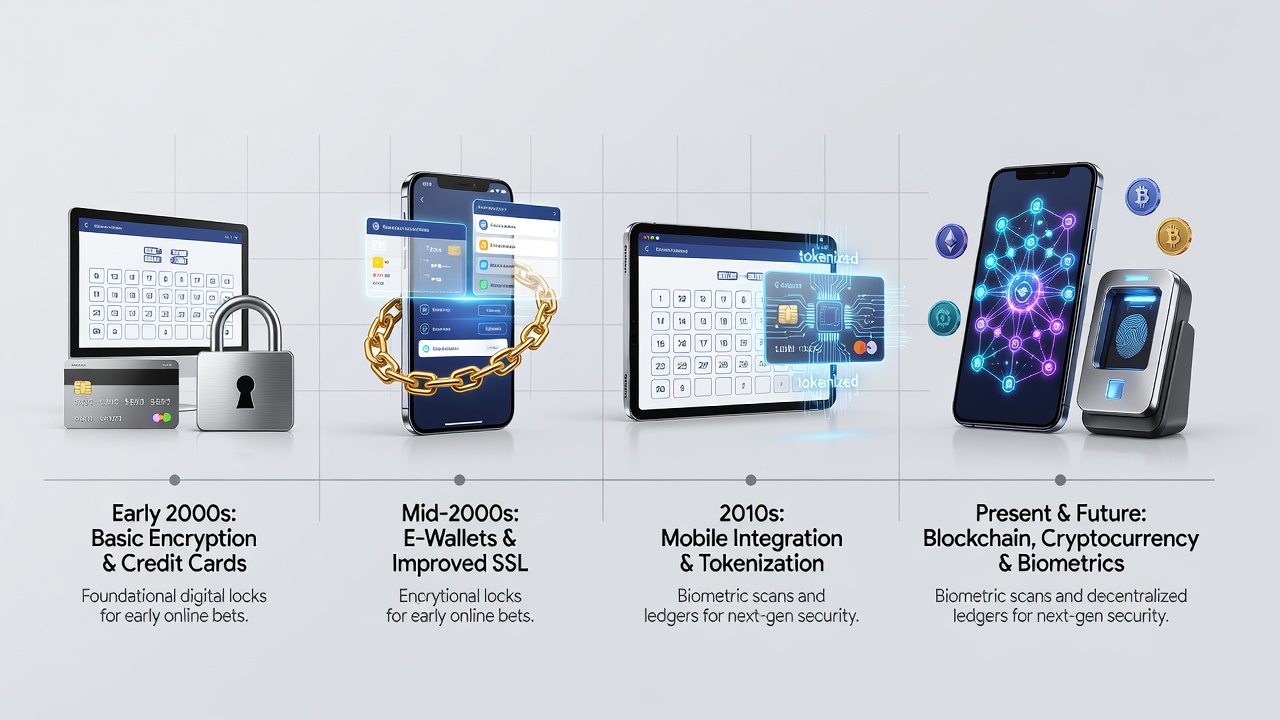
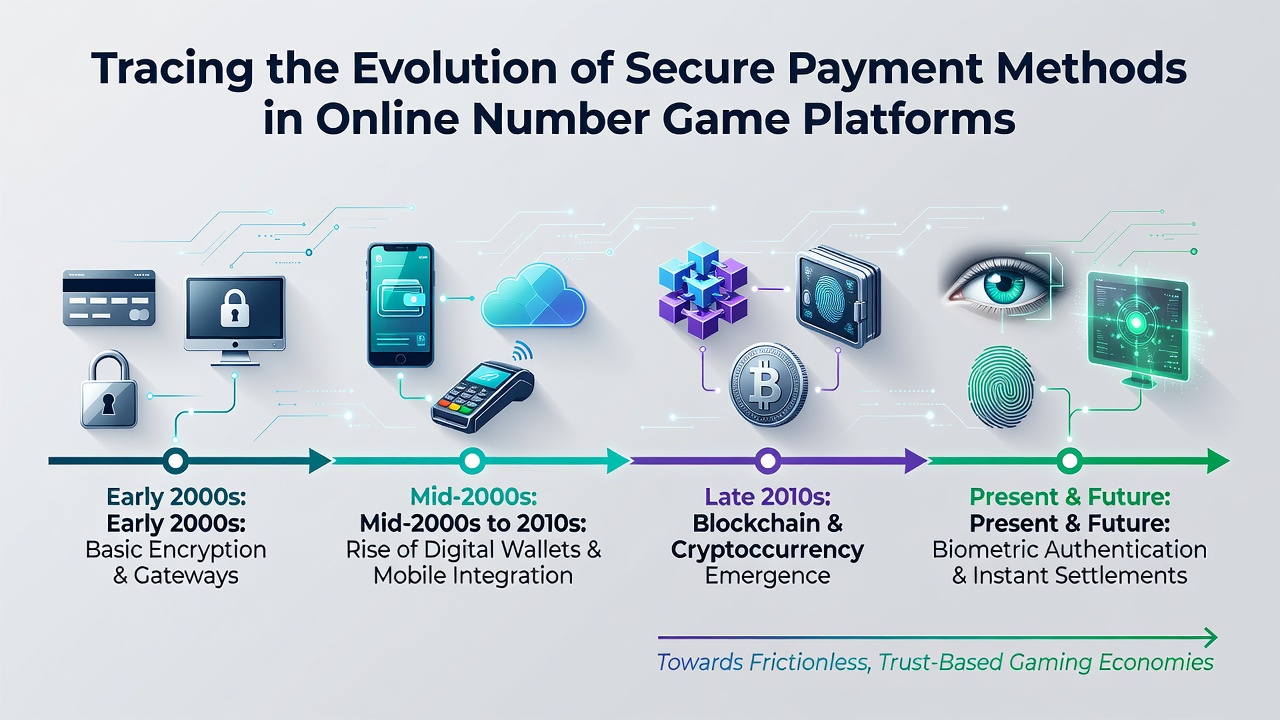
Online number game platforms have undergone substantial changes in how they handle financial transactions since the late 1990s when basic credit card processing formed the primary method for deposits and withdrawals. Early systems relied on simple card details entered through unsecured web forms which left users exposed to data interception risks. Payment processors gradually introduced tokenization techniques that replaced actual card numbers with unique identifiers stored on secure servers rather than transmitted repeatedly during each session.
Initial Security Measures and Regulatory Influences
Regulatory bodies began requiring encryption standards such as Secure Socket Layer protocols by the early 2000s which encrypted data streams between player devices and platform servers. Data from industry reports indicate that platforms operating in multiple jurisdictions adopted these measures to comply with emerging financial protection rules across North America and parts of Europe. Observers note that this period saw the introduction of address verification systems alongside card security codes which reduced unauthorized transaction attempts by matching billing details against issuer records.
Expansion Through Electronic Wallets
Electronic wallet services entered the scene around 2005 offering an alternative that kept banking information separate from gaming accounts. These systems allowed players to fund accounts through bank transfers or prepaid options while platforms received payments without direct access to sensitive financial data. Research indicates adoption rates climbed steadily as users sought reduced exposure during repeated small-value transactions common in number game formats. By 2010 many platforms integrated these wallets as standard options alongside traditional cards which streamlined reconciliation processes for operators handling high volumes of micro-payments.
Mobile Payment Integration and Contactless Options
Mobile payment frameworks expanded significantly after 2012 when smartphone penetration increased among target demographics. Platforms incorporated direct carrier billing and app-based transfers that processed funds through device-linked accounts without requiring repeated card entry. Those who've examined transaction logs from this era report that contactless methods reduced average deposit times from several minutes to under thirty seconds per session. In June 2026 analysts tracking these systems noted continued growth in regions where mobile-first infrastructure supports rapid authentication through biometric verification rather than manual password input.
Authentication layers evolved further with the rollout of two-factor verification codes sent via text or generated through dedicated apps. Platforms combined these with behavioral analysis tools that flagged unusual patterns such as sudden large deposits from new locations. According to findings published by the Government of Canada innovation reports such layered approaches lowered fraud incidence rates across digital entertainment sectors including number-based games.
Blockchain and Cryptocurrency Adoption
Blockchain-based options appeared in select platforms starting around 2017 as operators explored decentralized ledgers for transparent transaction recording. These methods provided immutable audit trails while allowing players to transfer value through digital assets without traditional banking intermediaries. Studies from academic sources including those affiliated with the University of Sydney have documented how smart contract features automate payout distributions based on predefined game outcomes which minimizes manual intervention and associated errors. Platforms that adopted these tools reported faster settlement periods compared to legacy bank wire processes that sometimes required several business days.
Advanced Encryption and Compliance Standards
Current implementations emphasize end-to-end encryption combined with real-time monitoring dashboards that track transaction flows across global networks. PCI DSS compliance remains a baseline requirement while additional certifications from regional bodies address specific data residency rules. What's notable is how number game platforms adapted these standards to accommodate high-frequency low-value interactions without compromising verification speed. Figures from trade association compilations reveal that operators investing in automated compliance tools experienced fewer service disruptions during peak activity periods such as tournament launches.
Conclusion
The progression from basic card processing to integrated mobile and distributed ledger systems reflects ongoing adaptations to security demands and user expectations in online number game environments. Platforms continue refining these methods through collaboration with financial technology providers and adherence to evolving international guidelines which supports sustained operation across diverse markets.