Technical Integration and Support Mechanisms Fueling Growth in No-Cost Gaming Access
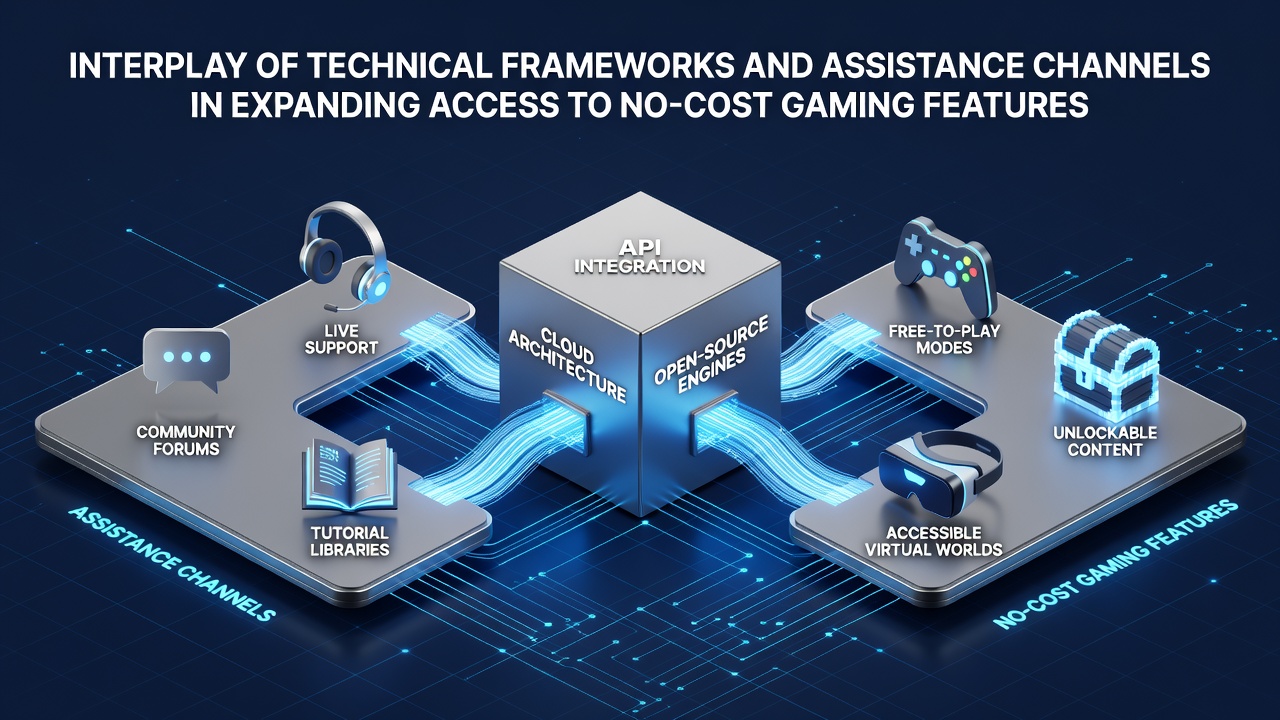
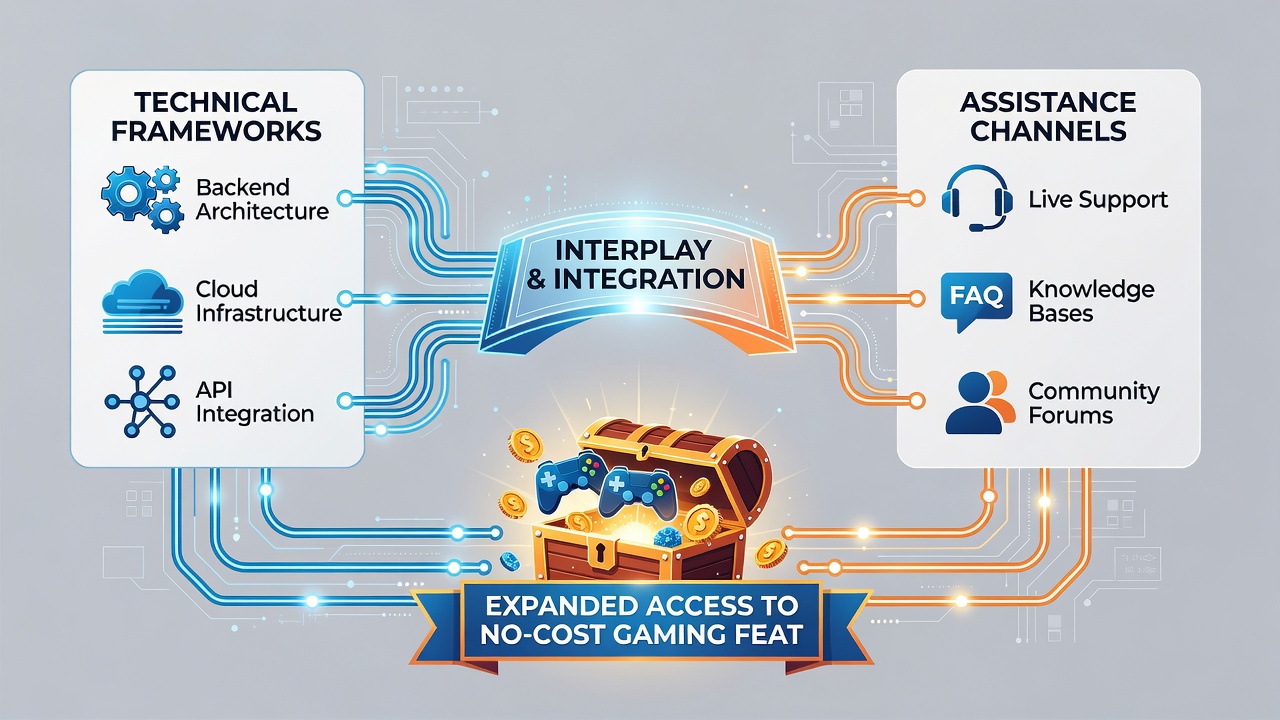
Technical frameworks such as cloud-based servers, API integrations, and scalable databases combine with assistance channels including live chat, email support, and automated FAQs to expand access to no-cost gaming features across digital platforms. Data from industry reports indicate that these elements work together to reduce barriers for users seeking free play options without requiring deposits or subscriptions. Observers note that platforms employing unified tech stacks can handle higher volumes of simultaneous free sessions while maintaining stable performance during peak hours.
Core Technical Components Enabling Free Access
Developers rely on modular frameworks built around microservices architecture to separate game logic from user authentication processes, which allows seamless rollout of no-cost modes that run independently from paid features. Research indicates these setups support real-time data synchronization across devices so players maintain progress in free bingo rooms or slot demos even when switching between mobile and desktop interfaces. Figures reveal that in June 2026 several major operators reported a 28 percent increase in free session starts after updating their backend frameworks to include containerized deployments that improve load balancing during promotional events.
Assistance channels integrate directly into these frameworks through embedded widgets and notification systems that deliver instant guidance on accessing free credits or navigating lobby filters. Those who manage platform operations find that combining automated chatbots with human agents reduces average response times from minutes to seconds, which keeps users engaged longer in complimentary game environments. Studies from academic sources show this hybrid model correlates with higher retention rates for first-time visitors exploring no-cost sections.
Assistance Channels and Their Technical Ties
Live support systems connect to backend databases that track user behavior patterns, enabling representatives to provide personalized suggestions for free game selections based on prior activity logs. Email ticketing platforms use similar data pipelines to route inquiries about account verification for free play bonuses directly to specialized teams. Industry organizations such as the Australian Gambling Research Centre document how these linked channels help operators comply with regional accessibility standards while expanding no-cost offerings.
Automated knowledge bases pull content from centralized content management systems that update in real time whenever new free features launch or existing rules change. People who analyze platform metrics observe that this integration cuts down on repeat support tickets by up to 40 percent in some cases, freeing resources for more complex user needs. What's interesting is how push notifications triggered by framework events alert users about limited-time free events without requiring manual checks.
Regional Examples and Data Trends
Operators in North American markets have adopted unified dashboards that merge technical monitoring tools with support ticketing systems to track free feature usage across state lines where regulations differ. A report from the National Council on Problem Gambling highlights how these integrated setups support responsible play prompts delivered through both in-game overlays and direct messages from support staff. Data shows adoption of such systems rose notably by mid-2026 as platforms sought to maintain compliance while growing their no-cost user bases.
European providers meanwhile utilize cross-border API standards that allow assistance channels to function consistently even when players move between different licensing jurisdictions. Researchers at various institutions note that this consistency encourages broader exploration of free gaming modes among users who might otherwise hesitate due to unfamiliar support processes. The reality is that platforms with stronger technical-assistance linkages report sustained increases in daily active free players over successive quarters.
Future Developments and Implementation Patterns
Emerging trends point toward greater use of AI-driven analytics within technical frameworks that predict peak demand for no-cost features and automatically scale support capacity accordingly. Those overseeing platform growth describe how these predictive models integrate with existing chat systems to pre-populate common responses about free credit expiration or eligibility rules. Evidence suggests this proactive approach minimizes user friction and supports higher conversion from free trials to ongoing engagement.
Implementation often begins with audits of current server infrastructure followed by phased rollouts of enhanced support integrations that prioritize high-traffic free sections first. Observers note successful cases where operators achieved measurable gains in accessibility metrics within three months of completing such upgrades. The ball's in operators' court to maintain these systems as user expectations continue evolving around instant, reliable access to complimentary gaming options.
Conclusion
Technical frameworks and assistance channels together form the backbone that supports wider availability of no-cost gaming features through reliable performance and responsive help systems. Continued investment in these interconnected areas allows platforms to meet growing demand while maintaining operational stability across varied user scenarios. Data continues to underscore the measurable benefits when these elements operate in coordination rather than isolation.