Support Systems Driving Long-Term Success in Bingo Site Promotional Efforts
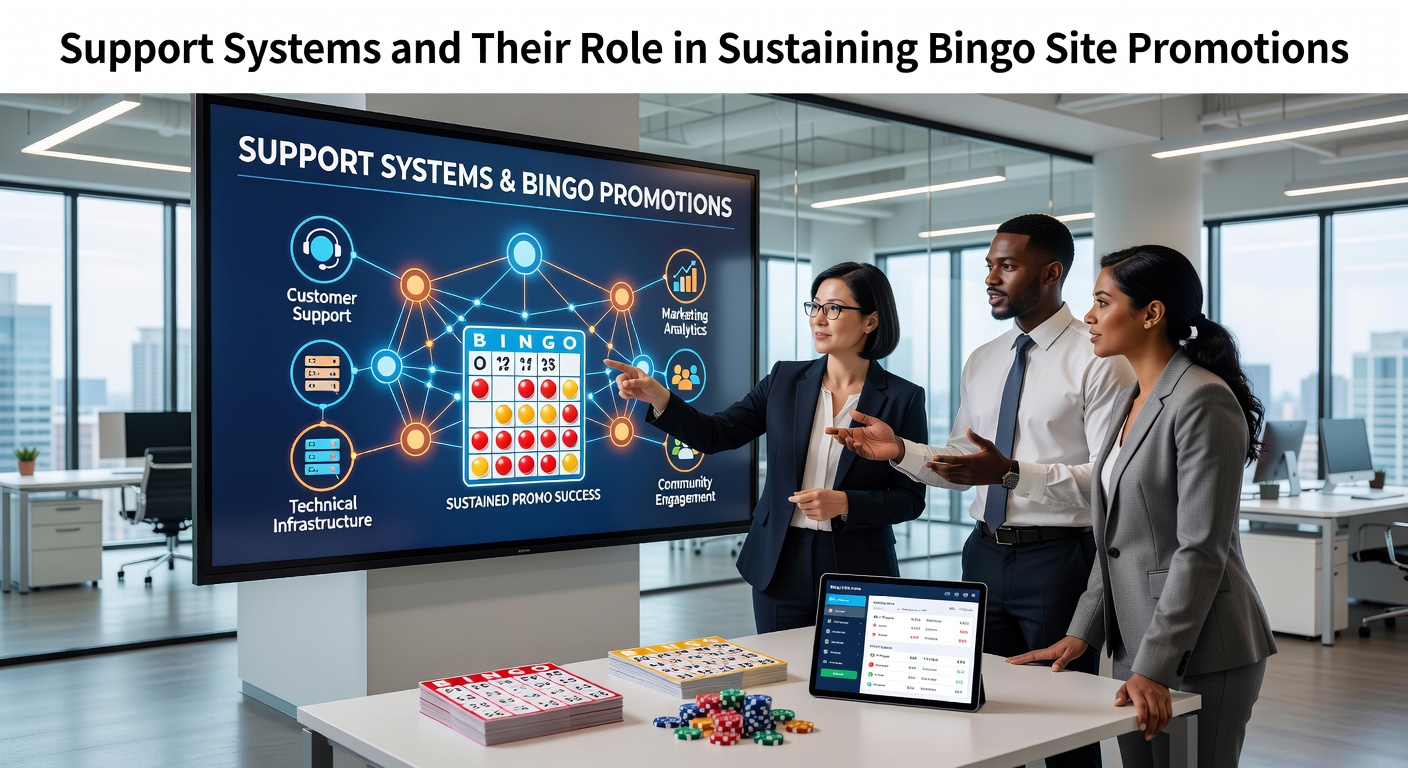
Support systems form the operational foundation that keeps bingo site promotions running smoothly over extended periods, and operators rely on integrated teams, software tools, and communication channels to handle player inquiries that arise during bonus campaigns. Data from industry reports shows these systems reduce dropout rates during promotional periods by addressing technical glitches and eligibility questions in real time. Observers note that sites without dedicated support infrastructure often see promotions falter within weeks, while those with layered response protocols maintain engagement through May 2026 and beyond.
Core Components of Effective Support Frameworks
Modern bingo platforms combine live chat interfaces, email ticketing systems, and AI-assisted knowledge bases to manage the volume of questions generated by deposit bonuses, free spin offers, and loyalty multipliers. Research indicates that response times under two minutes correlate with higher completion rates for promotional tasks, because players proceed with deposits once their concerns receive immediate clarification. Those who studied platform performance in early 2026 found that sites using unified dashboards allow agents to view a player's bonus history, deposit patterns, and prior tickets simultaneously, which speeds resolution and prevents duplicate explanations.
Technical support teams handle backend issues such as failed bonus code redemptions and mobile app crashes during peak promotional windows, while player support staff focus on rule explanations and account verification steps. The separation of these roles prevents bottlenecks, and companies that cross-train agents report fewer handoff errors according to internal metrics shared at industry conferences.
Impact on Player Retention During Campaigns
Promotions lose momentum when players encounter unresolved issues that block participation, yet support systems counteract this by converting potential drop-offs into completed actions. Studies conducted by academic researchers at gaming-focused institutions reveal that personalized follow-up messages sent within 24 hours of a support interaction increase the likelihood of players returning for subsequent offers. In one documented case, a European operator tracked a 18 percent lift in repeat deposits after implementing proactive ticket updates that notified users of bonus progress without requiring additional logins.
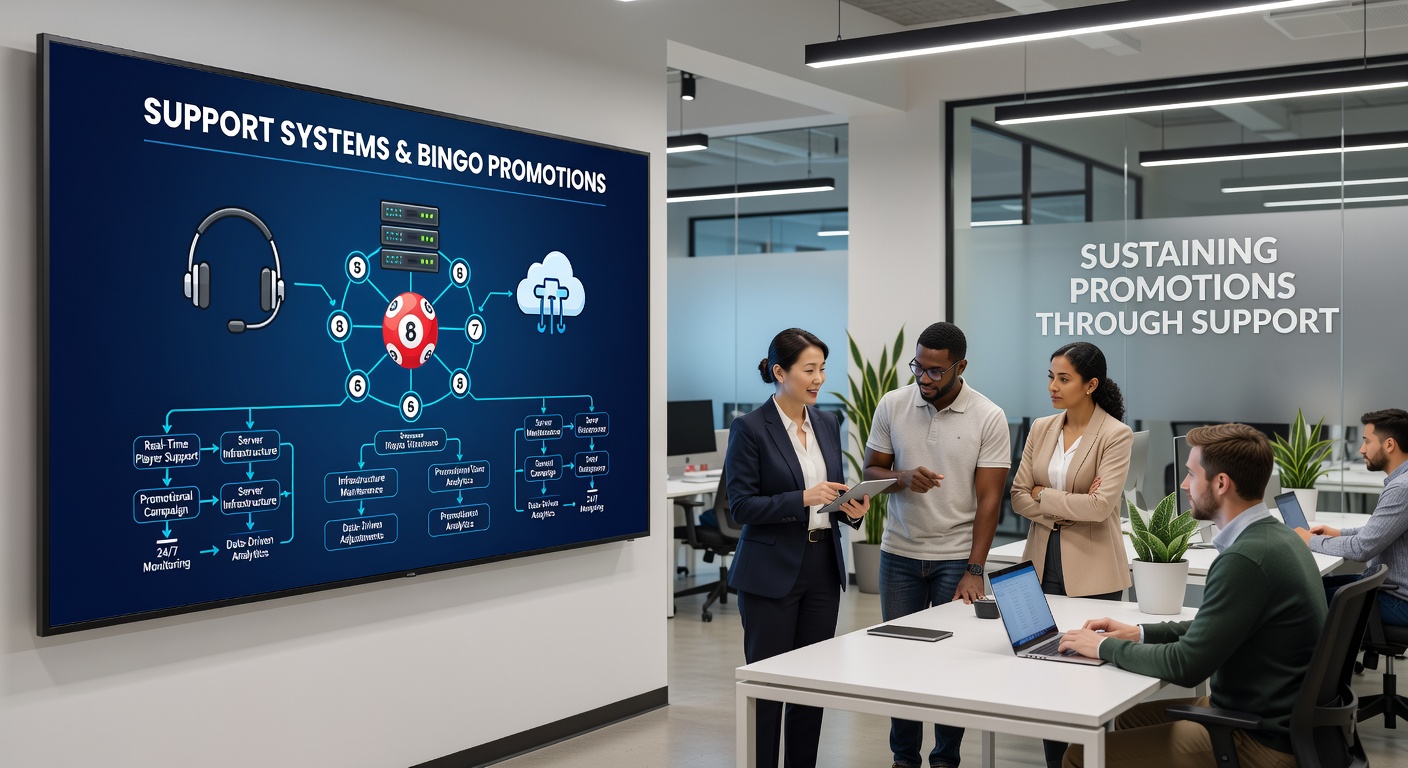
Regulatory data from the Malta Gaming Authority highlights how transparent support logs contribute to compliance audits, because operators must demonstrate that promotional terms were communicated clearly and disputes resolved fairly. Sites that archive chat transcripts and ticket outcomes create audit trails that satisfy oversight requirements while simultaneously feeding analytics engines that refine future campaigns. This dual function turns routine support interactions into strategic assets that sustain promotional viability across multiple quarters.
Integration with Analytics and Feedback Loops
Advanced support platforms feed player complaints and suggestions directly into marketing databases, allowing operators to adjust promotion structures before issues scale. Figures released by the Canadian Gaming Association show that sites using sentiment analysis on support transcripts identified confusing bonus wagering requirements 30 percent faster than those relying solely on survey data. The resulting tweaks, such as simplified terms or additional tutorial pop-ups, extended the effective lifespan of campaigns by several weeks in monitored examples.
Feedback loops also surface regional preferences, because players in different jurisdictions raise distinct questions about currency conversion, tax implications, and local payment methods. Support teams that categorize these inquiries by geography enable targeted updates to promotional landing pages, and operators who implemented this approach reported steadier traffic patterns through seasonal fluctuations in 2026.
Training Protocols and Quality Assurance Measures
Continuous training keeps support agents aligned with evolving promotional mechanics, and companies schedule weekly briefings that cover new bonus structures, rule changes, and common edge cases. External audits from independent testing labs verify that agents apply terms consistently, which protects both the operator and the player base. Those who reviewed training records across multiple platforms noted that certification programs tied to specific promotion types reduced escalations to management by measurable margins.
Quality assurance teams monitor a percentage of interactions each week, scoring agents on accuracy, tone, and resolution speed. The resulting performance dashboards guide staffing decisions during high-volume promotional launches, ensuring coverage matches expected inquiry spikes without overstaffing during quieter intervals.
Conclusion
Support systems sustain bingo site promotions by resolving friction points quickly, channeling player insights into campaign refinements, and maintaining regulatory compliance through documented processes. Operators that invest in integrated tools and trained personnel maintain higher engagement metrics across repeated promotional cycles, and the pattern holds steady into mid-2026 as platforms scale their operations. The evidence from regulatory filings, academic studies, and association reports demonstrates that robust support infrastructure directly correlates with the longevity and effectiveness of promotional strategies across the sector.