Shifts in Digital Bingo Landscapes: Payment Processing Innovations Driving Accessibility
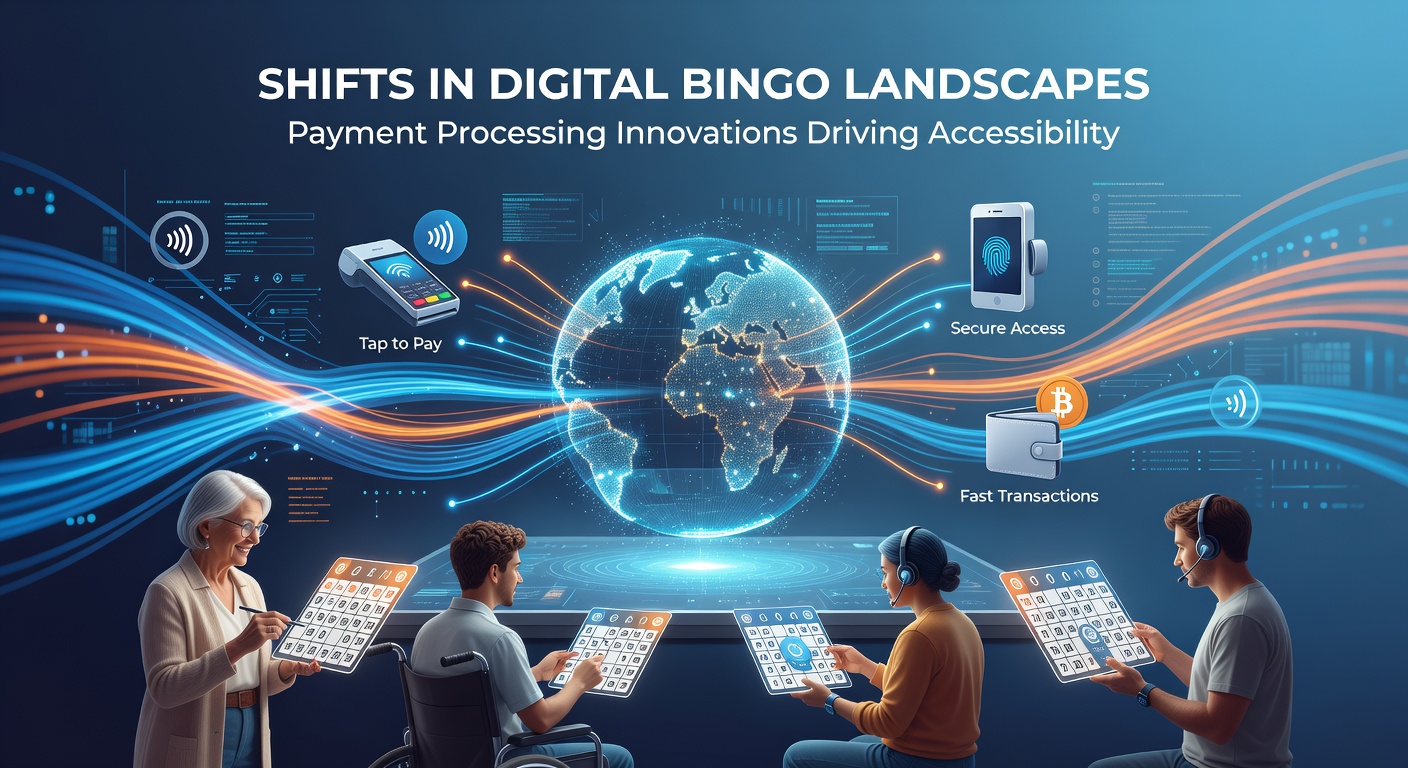
Payment processing innovations have reshaped how players interact with digital bingo platforms, and these changes continue to expand access across different regions and user groups. Systems that once relied on traditional bank transfers now incorporate instant options like digital wallets, real-time bank payments, and even blockchain-based solutions, which reduce delays that previously limited participation. Observers note that these advancements align with broader trends in online entertainment, where speed and convenience determine user retention rates according to industry reports.
Evolution of Payment Methods in Digital Bingo
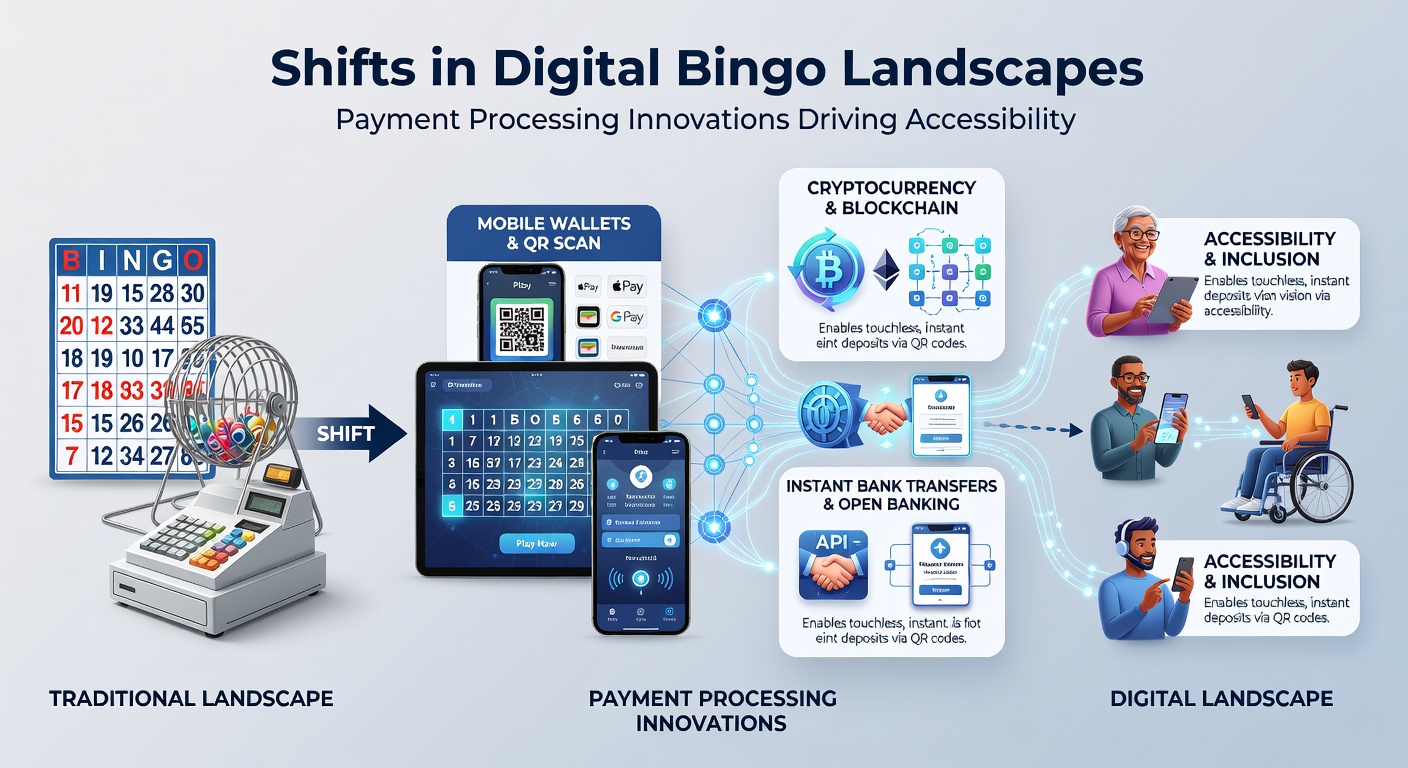
Early digital bingo sites depended heavily on credit cards and wire transfers, yet these methods often created barriers through processing times that stretched from hours to several days. As e-wallets gained traction in the mid-2010s, platforms began integrating services that allowed deposits within seconds, and this shift accelerated further with the rise of mobile banking apps. Data from various gaming associations shows that by 2024, over 60 percent of online bingo transactions in North America and Europe moved through digital wallets or instant payment rails, a figure that reflects widespread adoption driven by consumer demand for frictionless experiences.
Blockchain technology entered the scene more recently, offering transparent transaction ledgers that appeal to users concerned about security and privacy. Several platforms now accept cryptocurrencies for both deposits and withdrawals, and this option proves especially useful in regions where traditional banking infrastructure remains limited. Researchers at academic institutions studying digital economies have documented how these methods lower entry thresholds for players in emerging markets, where access to conventional financial services can prove inconsistent.
How Innovations Enhance Accessibility
Accessibility improvements stem directly from reduced fees and faster processing times that payment innovations deliver. Players who previously avoided platforms due to high transaction costs now participate more freely, since many new systems charge minimal or zero fees for standard operations. Lower barriers also benefit those with irregular income patterns, because instant withdrawals let users access winnings without waiting periods that once extended across weekends or holidays.
Mobile optimization plays a central role here, as payment gateways designed for smartphones integrate seamlessly with bingo apps. This setup allows users in remote areas to complete transactions using only a data connection, and statistics from Canadian regulatory bodies indicate rising participation rates among rural demographics since these features rolled out. What's interesting is that accessibility extends beyond geography, because features like multi-currency support and localized payment partners help international players navigate currency conversion without extra costs or complications.
Regulatory Influences and Global Variations
Regulatory frameworks shape how quickly these innovations spread, with different jurisdictions adopting varied approaches to oversight. In Australia, the Australian Communications and Media Authority has tracked growth in digital payment usage within gaming sectors, noting that compliant platforms report higher user volumes when instant options meet local standards. Meanwhile, bodies in the European Union emphasize consumer protection alongside innovation, requiring clear disclosure of processing times and fees that indirectly encourages providers to refine their systems.
North American regulators, including those in select Canadian provinces, have introduced guidelines that promote secure yet accessible payment channels, and this balance has led to partnerships between bingo operators and fintech companies. Such collaborations often result in customized solutions that address regional banking habits while maintaining global security protocols. Data shows these adaptations correlate with increased session lengths and repeat engagement among new user segments.
Trends Emerging Around May 2026
Developments scheduled around May 2026 point toward further integration of AI-driven fraud detection within payment flows, which could streamline verification processes without adding steps for legitimate users. Industry organizations anticipate that standardized open banking protocols will expand across more countries by then, allowing bingo platforms to pull funds directly from accounts with user consent and minimal manual input. These changes build on existing momentum and promise to close remaining gaps for users who rely on alternative financial services.
Observers tracking these patterns highlight that platforms investing early in such technologies position themselves to capture broader audiences, particularly as younger demographics accustomed to instant digital services enter the market in greater numbers. Figures from research institutions studying online entertainment confirm that accessibility metrics improve measurably when payment innovations receive consistent regulatory support across borders.
Conclusion
Payment processing innovations continue to redefine accessibility within digital bingo landscapes by addressing longstanding friction points around speed, cost, and availability. As systems evolve to incorporate emerging technologies and align with diverse regulatory environments, participation becomes feasible for wider populations across varied locations and circumstances. The trajectory through 2026 suggests these shifts will sustain momentum, supported by ongoing data collection from regulatory and industry sources that document tangible gains in user reach and engagement.