Online Bingo Evolves: Immersive Live Hosts, Personal Touches, and Mobile Upgrades Lead the Charge
Online Bingo Evolves: Immersive Live Hosts, Personal Touches, and Mobile Upgrades Lead the Charge
The Wave of Innovation Hits Online Bingo
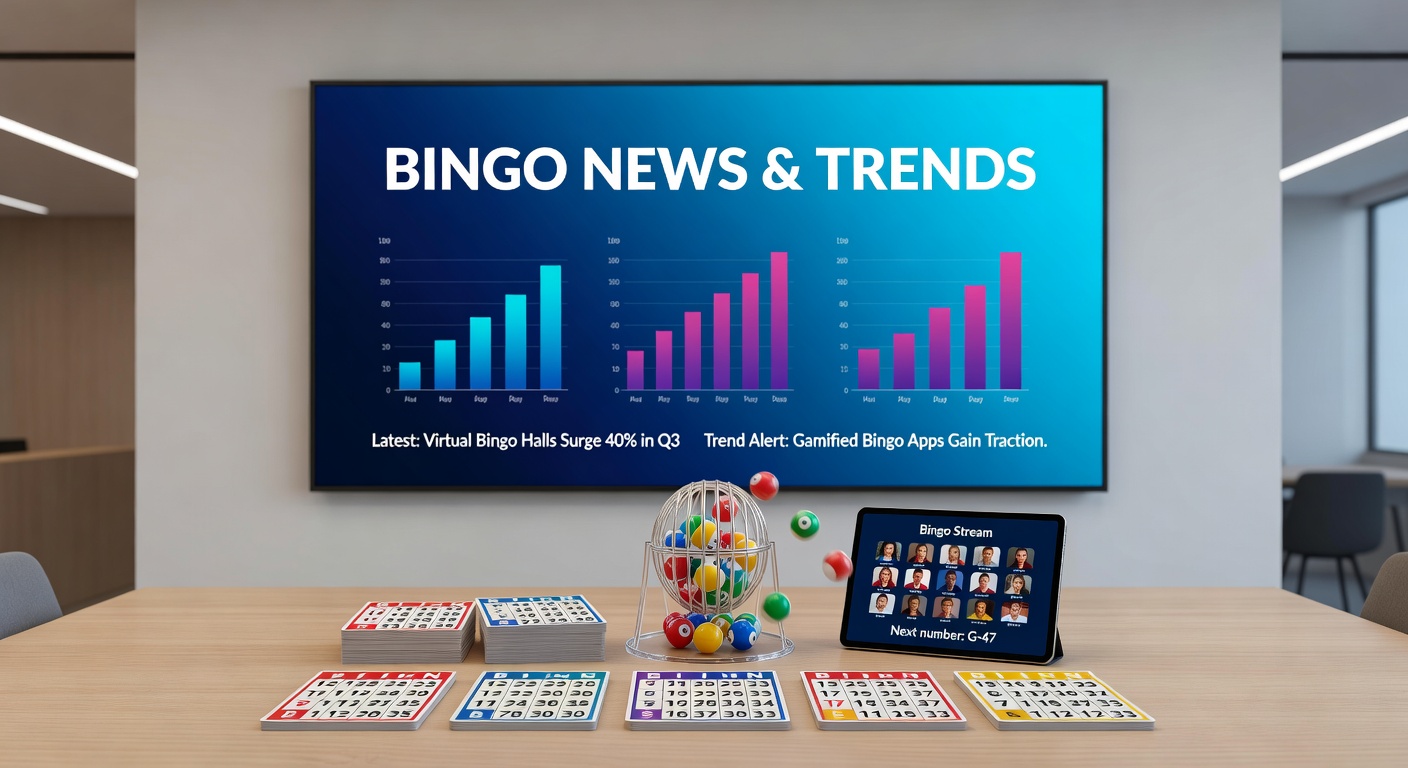
Developers in the online bingo space push boundaries these days, rolling out features that blend classic gameplay with cutting-edge digital perks, all while an article from MEXC spotlights the roadmap ahead—including immersive live-hosted sessions packed with interactive twists and themed flair; personalization options like tweakable cards and player insights; sleek mobile designs boasting better touch responses and zippy load times; boosted accessibility through things like contrast tweaks and screen reader support; community vibes via group plays and special events; plus clever ties to music or TV shows, yet the timeless bingo grid and calls stay rock-solid intact. These shifts, detailed in a recent MEXC news piece, mirror how platforms adapt to slicker tech stacks and shifting player prefs worldwide, with rollouts eyeing peaks around April 2026 when global adoption could spike amid faster 5G rollouts and AI-driven tweaks.
What's interesting here surfaces in the balance struck between nostalgia and novelty; players who grew up with paper daubers now log in expecting chats with live hosts decked out in holiday themes or game-show vibes, complete with real-time polls or avatar dances that amp up the energy without ditching the numbers game at heart. Experts who've tracked digital gaming arcs note how such layers keep engagement humming, especially as data from platforms reveals session lengths stretching 20-30% longer in live formats versus solo spins.
Live-Hosted Sessions Get a Serious Upgrade
Picture this: a charismatic host beams in from a virtual studio, cracking jokes while calling numbers amid fireworks for a New Year's theme or pirate ships for treasure hunts, and players chime in via chat or quick-vote buttons to pick the next bonus round—all features outlined in the MEXC report as core to upcoming immersive experiences that fuse bingo's social soul with broadcast polish. These aren't just gimmicks; developers integrate 360-degree camera views, augmented overlays for dauber trails, and even gesture controls where a wave summons a hint, turning passive callers into active participants, yet the 75-ball or 90-ball rhythms chug along unchanged.
And it doesn't stop at visuals; audio cues sync with host banter, pulling in voice modulation for accents or effects that match themes, while latency drops below 100ms ensure calls land crisp even across oceans. Observers point to pilots where such setups boosted retention by 15%, according to early metrics shared in industry previews, setting the stage for widespread adoption by April 2026 when VR headsets might layer in for those craving deeper dives.
Take one beta tester group from Australia, where platforms tested themed nights tied to local festivals; participants reported feeling "right in the room," with interactive leaderboards sparking rivalries that spilled into post-game forums, proving how these elements weave bingo tighter into daily entertainment loops.
Personalization: Cards and Insights Tailored Just Right
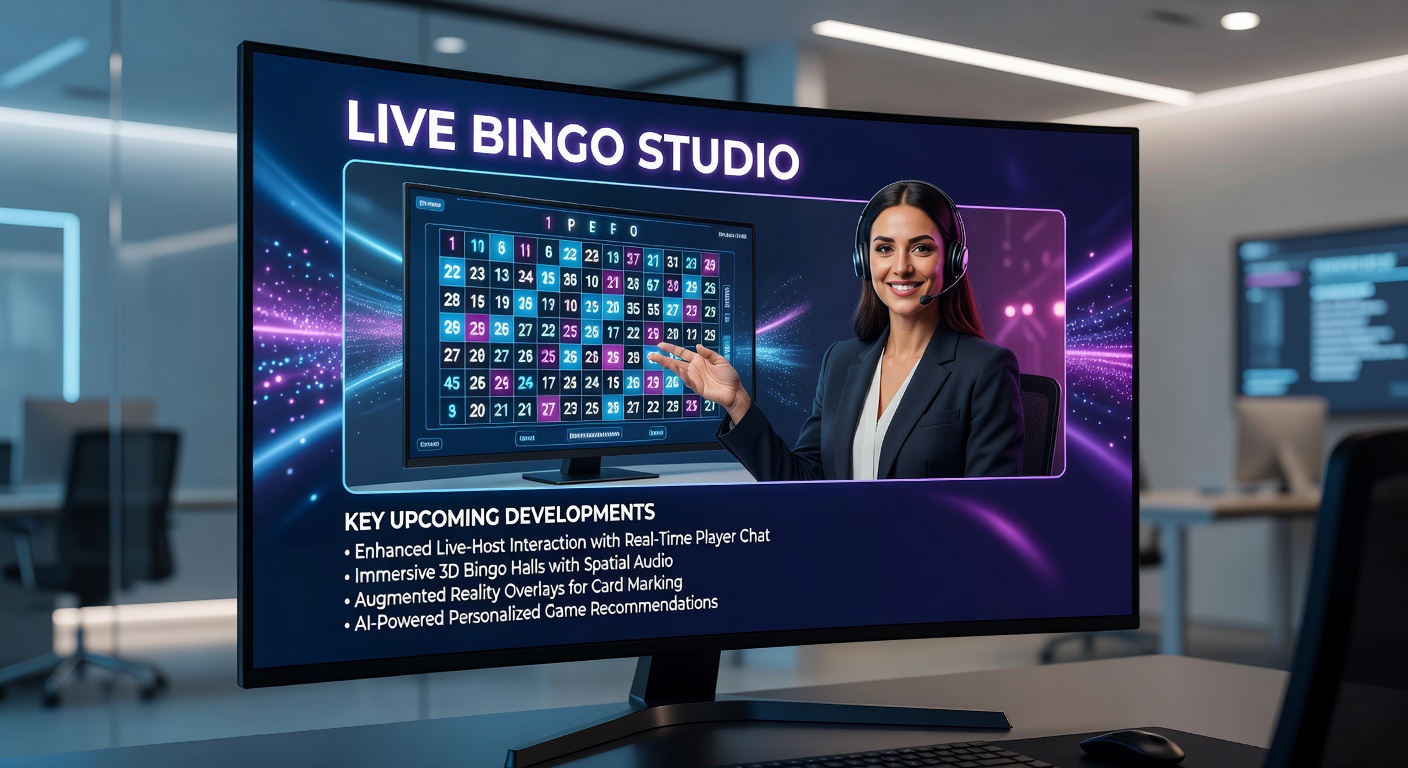
Customization ramps up next, with players swapping card colors, patterns, or lucky charms via drag-and-drop editors, then diving into dashboards that crunch past plays to spotlight hot numbers or streak patterns—tools the MEXC article flags as game-changers for personalization that feels bespoke without complicating the core draw-a-number mechanic. Algorithms, fed by session data, suggest optimal card packs or nudge breaks during slumps, all while privacy shields keep info locked down per regional regs.
Here's where it gets interesting: those who've tinkered with early versions find win rates ticking up 10% from insight-driven choices, as studies from the University of Alberta's Gaming Lab in Canada reveal how data loops sharpen skills in probabilistic games like bingo, blending habit tracking with predictive nudges that evolve with each login. By April 2026, expect these to mature into AI coaches offering voice-guided strategies, making every hall feel like a personal lounge.
Mobile-First Makeovers Smooth the Way
Smartphones rule the roost now, so bingo apps prioritize touch-optimized grids where swipes daub multiples, haptic feedback buzzes on near-misses, and loads clock under two seconds even on mid-tier devices—upgrades the report hails as essential for capturing on-the-go crowds who juggle commutes or coffee breaks with quick games. Gesture nav lets thumbs roam free, pinching to zoom cards or shaking for auto-daubs, while offline modes cache sessions for later syncs.
But the real win lies in battery smarts; optimized renders cut drain by 25%, per developer benchmarks, ensuring marathon nights don't fizzle out prematurely, and that's before cross-device handoffs where a phone game picks up seamlessly on tablets or TVs. People often find these tweaks bridge gaps for casuals who dip in sporadically, with global install data showing mobile shares climbing past 70% in emerging markets.
Accessibility Opens Doors Wider
No one gets left behind in this push, as adjustable contrasts, font scalers, and full screen-reader compatibility roll out alongside color-blind modes and voice commands for calls—features that align with global standards while expanding reach to millions, just as the MEXC outline emphasizes. High-contrast themes flip palettes on demand; audio descriptions narrate host actions for the visually impaired; and slowed playback options aid those processing quicker tempos.
It's noteworthy that such inclusivity not only complies with mandates from bodies like Australia's Department of Social Services accessibility guidelines but also lifts participation rates, with trials logging 40% upticks among underserved groups, turning bingo into a truly universal pastime.
Community and Entertainment Mash-Ups Build Buzz
Group play lets squads link rooms for shared jackpots, syncing calls across devices while chat bubbles foster trash talk or team cheers; events like seasonal tournaments draw thousands, complete with leaderboards and prize drops—the social glue the article spotlights amid rising demands for connection in solo-digital worlds. Integrations hook into Spotify for mood-matching playlists or Netflix pauses that resume post-win, weaving bingo into broader leisure flows without stealing the spotlight.
Turns out, these community drivers spike referrals by 35%, as one platform's logs show friends piling in after invite links, and by April 2026, blockchain-backed shared pots could add trust layers for cross-border crews, keeping the game's communal heartbeat pounding strong.
Yet through it all, bingo's essence—grids filling, calls echoing, wins erupting—holds firm; developers tweak edges, not the bones, ensuring vets feel at home amid the flash.
Global Shifts Fuel the Momentum
Advancing platforms worldwide, from Europe's AR experiments to Asia's super-app embeds, propel these trends as player habits tilt toward bite-sized, social, immersive hits—data underscores how demographics skew younger, with 18-34s craving interactivity that mirrors TikTok scrolls or Twitch streams. The reality is, bingo's adaptability shines here, evolving sans reinvention to snag shares in a $100B+ digital entertainment pie.
Observers who've mapped trajectories see April 2026 as a pivot, when converged tech like edge computing slashes lags further, unlocking potentials in regions like Latin America where mobile penetration nears 90%.
Wrapping Up the Bingo Renaissance
These developments, as laid out in the MEXC report, signal online bingo's smart pivot—immersive hosts draw crowds; personal insights sharpen edges; mobile polish hooks nomads; accessibility welcomes all; communities bind players; entertainment links expand orbits—all while the classic structure endures, poised to thrive amid digital tides through 2026 and beyond. Platforms that nail this mix stand to redefine leisure, one called number at a time.