Mapping Digital Pathways: Player Navigation Through Bingo Interfaces and Layered Promotions
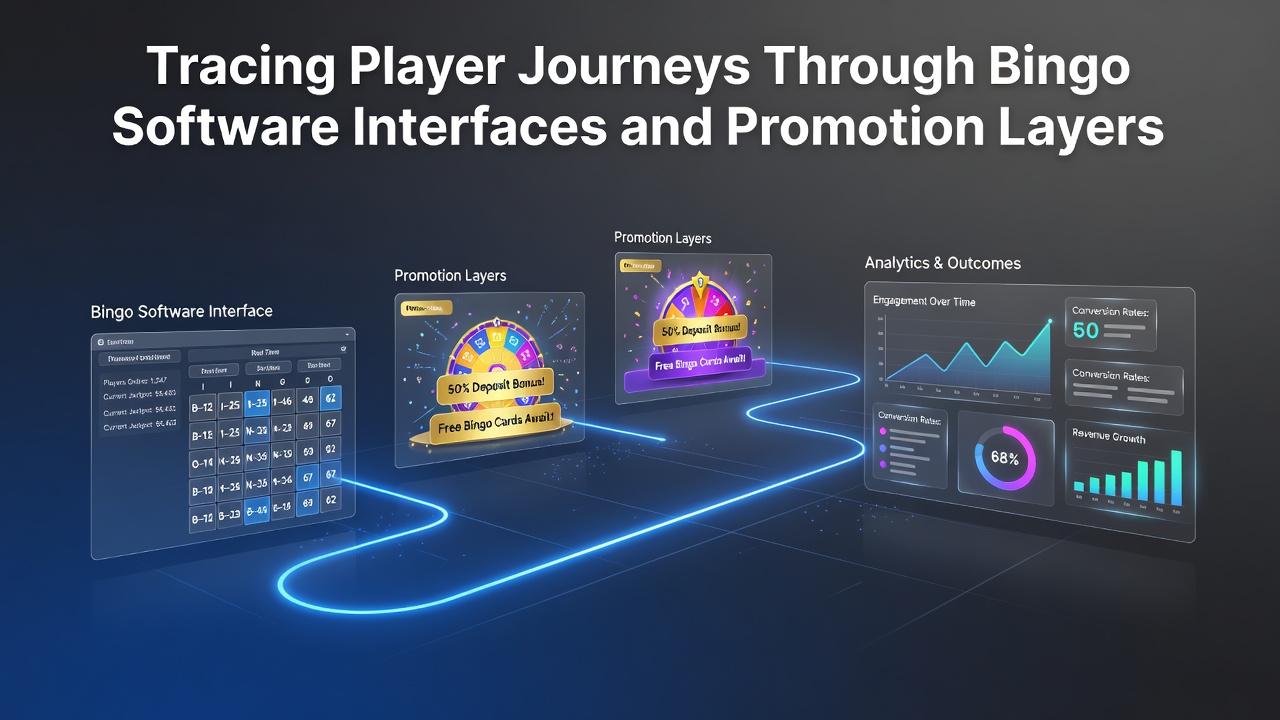
Player journeys in online bingo environments unfold across interconnected software layers where interface elements direct movement while promotional structures influence progression at each stage, and observers note that tracing these paths reveals how users encounter registration sequences, lobby selections, game rooms, and reward triggers in sequence.
Core Interface Structures Guiding Initial Entry
Registration flows begin with landing page layouts that present account creation forms alongside quick-play options, and data from platform analytics shows that streamlined sign-up sequences reduce drop-off rates by integrating social login buttons directly with welcome bonus displays. Once inside the system, dashboard designs organize game categories through tabbed navigation or grid layouts, whereas lobby filters allow sorting by room size, stake levels, and theme variations, and researchers tracking user sessions find that these choices shape the first few minutes of interaction before any promotional layer activates.
Game room interfaces incorporate chat panels, number-call animations, and ticket purchase controls within a single view, while mobile adaptations resize these components for touch interactions without losing core functionality. Those who've studied session recordings observe that seamless transitions between lobby and active games maintain momentum, and July 2026 platform updates introduced enhanced gesture controls that further align desktop and mobile experiences across multiple operators.
Promotion Layers Overlaying User Progression
Bonus mechanics sit atop standard interface pathways as conditional triggers that activate based on deposit amounts, play volume, or referral actions, and these layers often appear as pop-up notifications or persistent sidebar elements that update in real time. Promotional structures include welcome packages, reload offers, and loyalty point systems, whereas the timing of their presentation affects whether players continue along a purchase path or explore free-play alternatives first.
Software backends log each interaction with promotion elements through event timestamps and conversion metrics, allowing operators to map which offers correlate with extended sessions or increased ticket purchases. Industry reports indicate that layered incentives integrated at specific journey milestones, such as post-first-game rewards or milestone badges, produce measurable shifts in retention patterns across different player cohorts.
Analytics Methods for Journey Reconstruction
Tracing tools combine heat-mapping of clicks, scroll depth measurements, and funnel analysis to reconstruct complete player routes from entry to exit or repeat visits, and these datasets reveal common branching points where users either engage with promotions or bypass them entirely. Platform administrators access unified dashboards that aggregate journey data across thousands of sessions, while segmentation by device type, geographic region, and time of day adds granularity to the resulting models.
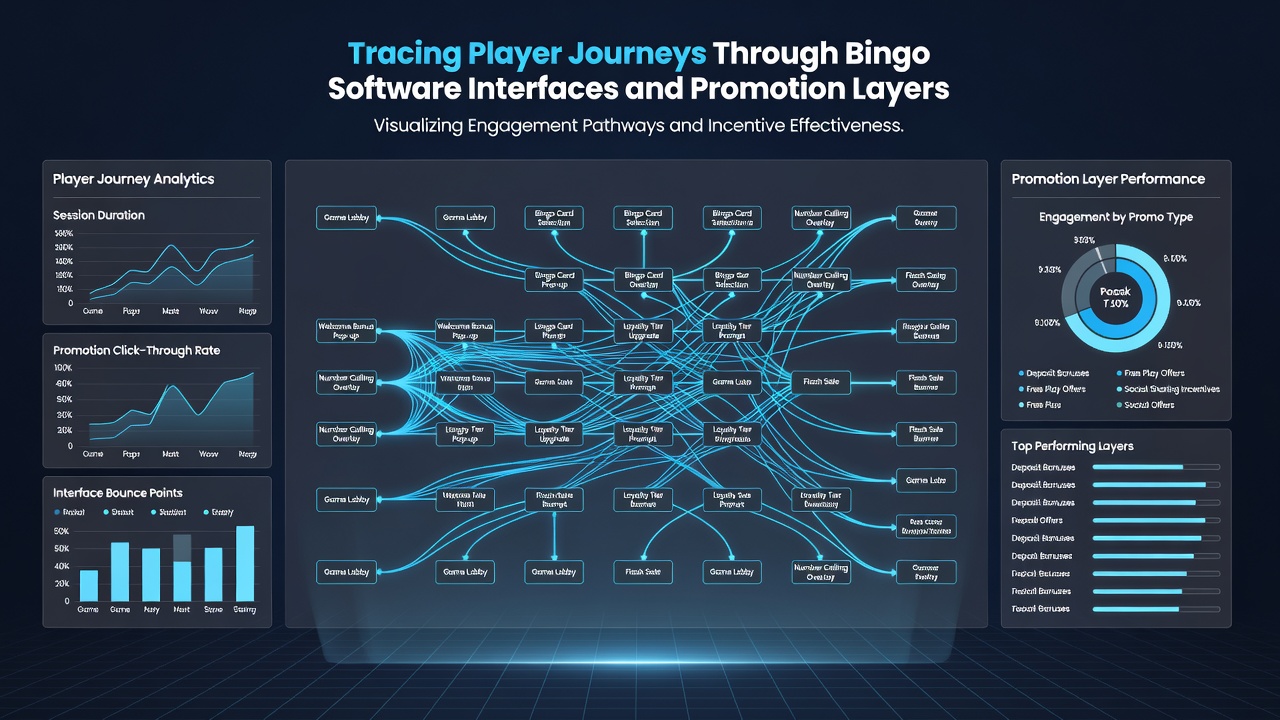
Studies from academic institutions such as those published by the Australian Gambling Research Centre demonstrate how interface friction points interact with promotional timing to alter completion rates, and similar findings appear in reports issued by the Gaming Standards Association that focus on technical interoperability between front-end designs and backend tracking systems. Session replay capabilities now permit frame-by-frame examination of how players respond to layered offers, and this level of detail supports iterative refinements without requiring direct user surveys.
Regional Variations in Journey Patterns
European operators often embed regulatory compliance notices within promotion displays, whereas North American platforms emphasize responsible gaming tools at equivalent stages of the user flow, and Canadian provincial regulators have documented distinct navigation preferences among players accessing provincially licensed bingo environments. Australian frameworks require clear separation between promotional content and core game mechanics, which influences how interfaces present layered incentives during active sessions.
Cross-border comparisons highlight that journey lengths vary with local payment method availability and currency handling, and operators adjust interface prompts accordingly to accommodate these differences while maintaining consistent promotional logic across markets.
Conclusion
Tracing player journeys through bingo software interfaces and promotion layers produces detailed maps of interaction sequences that inform design adjustments and offer placement strategies, and continued data collection through July 2026 and beyond will refine these models as new interface features and promotional formats emerge. The combination of visual navigation elements, conditional reward structures, and backend analytics creates a traceable ecosystem where each layer contributes measurable influence over overall progression patterns.