Loyalty Program Dynamics in Digital Number Games: Sustaining Engagement Throughout the Year
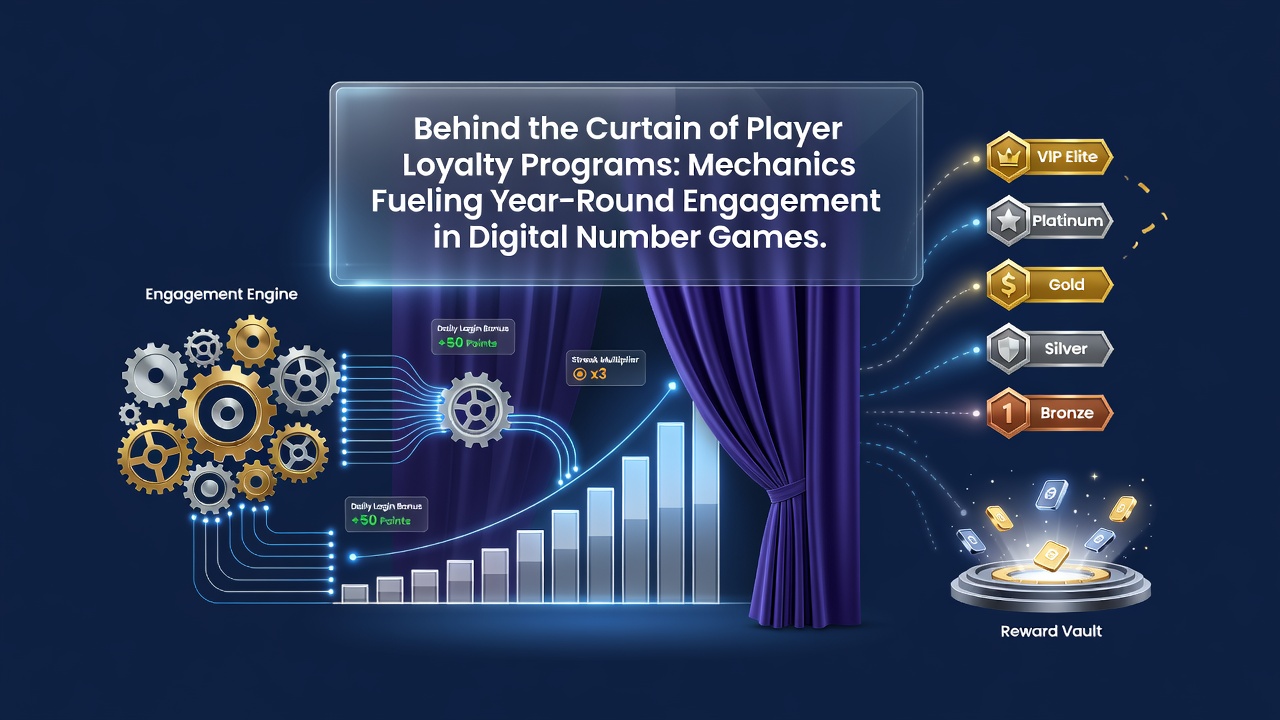
Digital number games operate on structured loyalty frameworks that convert routine participation into sustained activity across multiple months, and these systems rely on layered mechanics rather than isolated promotions. Platforms track player behavior through accumulated points, tiered status levels, and conditional bonuses that reset or evolve on fixed schedules. Data collected from login frequency, game selections, and deposit patterns feeds algorithms that adjust reward offerings in real time.
Core Mechanics of Point Accumulation and Redemption
Players earn credits through every wager placed, with rates often scaled according to game type and stake size, while bonus multipliers activate during designated periods such as holiday events or platform anniversaries. Redemption options range from cashback percentages to entry tickets for larger prize draws, and operators set expiration windows that encourage consistent logins to prevent point loss. These rules create predictable cycles where users return weekly to maintain status and unlock higher redemption values.
Research from the University of Nevada, Las Vegas International Gaming Institute shows that tiered systems increase average session length by structuring progress bars that unlock new perks at each level. Participants move from basic access to premium features including faster withdrawals, exclusive game variants, and dedicated support channels once they surpass spending thresholds within a calendar quarter.
Personalization Through Behavioral Data
Algorithms segment users into cohorts based on historical activity, then deliver tailored missions such as completing a set number of bingo rounds or hitting specific number patterns within a timeframe. Notifications arrive via app alerts and email summaries that highlight remaining requirements for the next reward tier. This approach maintains momentum because the tasks align with established playing habits rather than introducing unrelated challenges.
Operators also deploy time-limited streak bonuses that award incremental prizes for consecutive days of activity, and these reset mechanisms prevent long absences by tying value to unbroken participation. July 2026 data releases from several North American platforms indicated that streak programs accounted for measurable upticks in daily active users during traditionally slower summer months.
Seasonal Campaigns and Cross-Game Integration
Year-round calendars incorporate themed events tied to calendar milestones, with summer promotions often featuring outdoor-themed number selections or community jackpot pools that grow through pooled contributions. Integration across bingo variants, keno, and lottery-style draws allows points earned in one format to contribute toward unified loyalty balances, reducing fragmentation and encouraging exploration of multiple game types on the same platform.
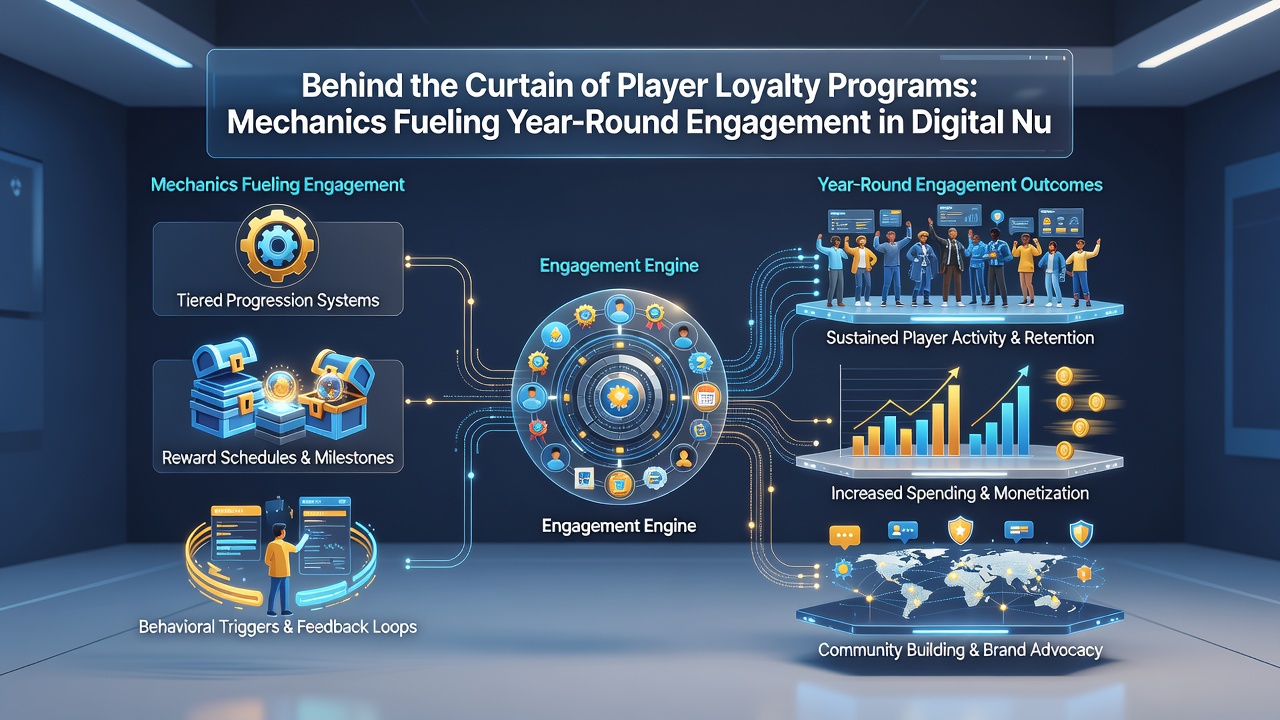
Industry reports from the Australian Institute of Family Studies document how cross-promotion between game categories correlates with longer retention windows, because players discover new preferences while working toward shared milestones. Regulatory frameworks in jurisdictions such as New Jersey and Ontario require clear disclosure of all terms, including wagering requirements attached to loyalty redemptions, which shapes how operators structure their communications.
Technological Enablers and Security Measures
Backend systems employ encryption protocols and audit trails to verify that reward calculations remain consistent and tamper-resistant, while real-time dashboards give players visibility into their current standing without requiring support tickets. Mobile integration ensures that progress tracking and reward claims function identically across devices, supporting engagement patterns that shift between desktop sessions during evenings and quick mobile checks throughout the day.
Third-party certification bodies periodically review these systems to confirm compliance with payout accuracy standards, and operators publish summaries of audit outcomes on their sites to maintain transparency. Such verification steps address concerns about hidden restrictions that might otherwise erode trust over extended participation periods.
Conclusion
Loyalty structures in digital number games function through interconnected rules that reward frequency, volume, and consistency while adapting to individual patterns. These frameworks continue to evolve with new data inputs and regulatory expectations, shaping how platforms maintain activity levels across all twelve months of the year. Observers tracking industry metrics note that successful implementations balance immediate gratification with longer-term status progression, creating durable participation cycles without relying on single promotional spikes.