Loyalty Mechanisms in Niche Digital Bingo Communities and Retention Data Trends
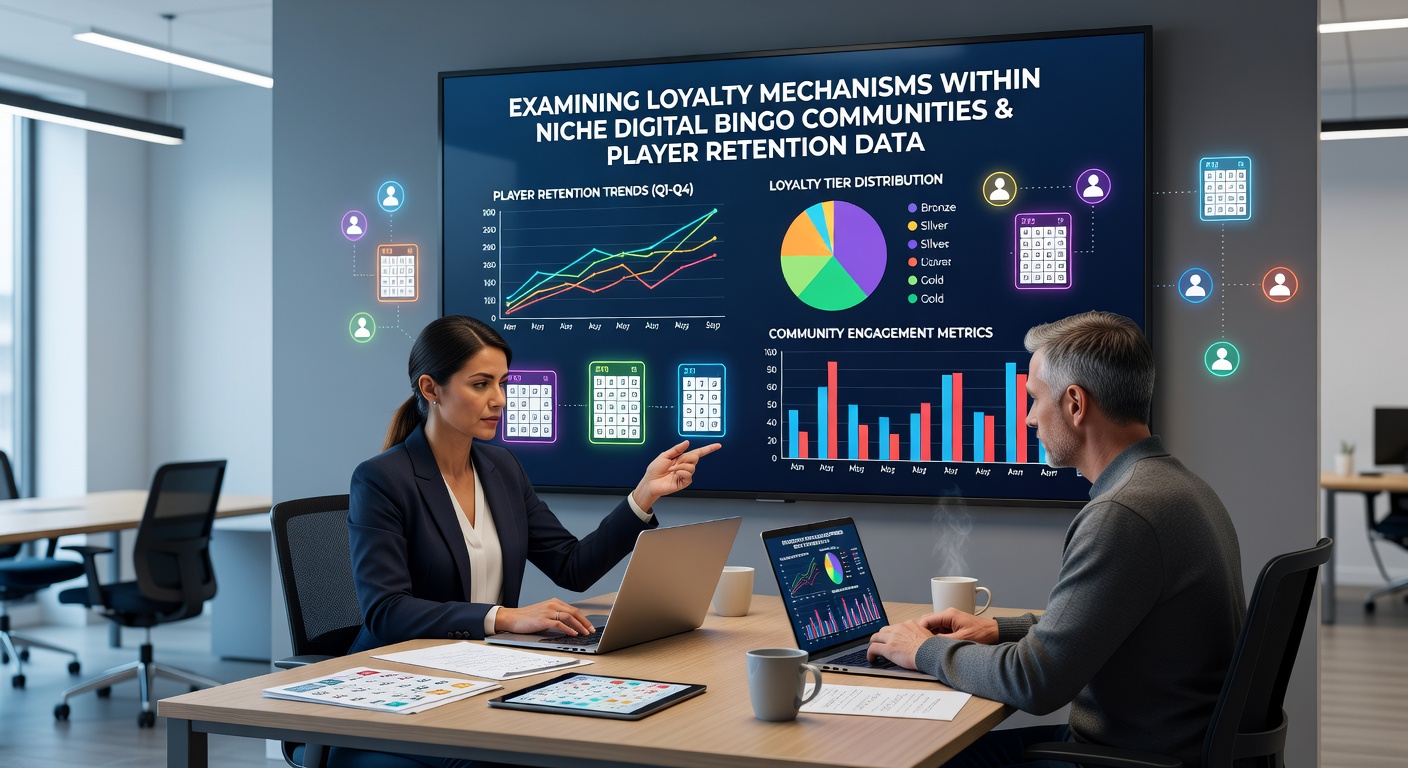
Specialized digital bingo networks operate through targeted loyalty systems that encourage repeated participation while tracking player behavior over extended periods, and these mechanisms often combine tiered rewards with community-specific events that differ from broader gaming platforms. Researchers have documented how such approaches maintain engagement in smaller user bases where personal connections play a larger role than mass-market promotions.
Core Components of Loyalty Systems in These Communities
Operators within niche bingo environments frequently implement point accumulation models tied directly to game frequency and session length, which then convert into redeemable credits or exclusive access passes, yet the most effective setups integrate social elements like group challenges and shared milestone celebrations that foster belonging among participants. Data collected across multiple platforms reveals that communities emphasizing these hybrid reward structures see steadier activity levels compared to those relying solely on monetary incentives.
Personalized notifications about upcoming community draws or member achievements further strengthen retention because they create anticipation and reinforce individual value within the group, and studies tracking user logs from early 2025 through May 2026 indicate consistent patterns where such targeted communications correlate with reduced churn rates in the three-to-six-month range after initial signup.
Player Retention Metrics and Influencing Factors
Retention figures in these specialized spaces typically measure repeat login rates alongside average session duration, with recent analyses showing that communities offering progressive loyalty ladders achieve higher monthly active user percentages than standard sites. Observers note that when reward thresholds align closely with typical playing habits, participants tend to maintain involvement longer, particularly when combined with features allowing players to track their own progress through visual dashboards.

Geographic variations also appear in the data, where platforms serving regional player groups incorporate local event tie-ins that boost loyalty, for instance matching community bingo nights with virtual equivalents. A report from the National Council on Problem Gambling highlights similar behavioral trends across North American operators, while research published by the Gambling Research Exchange Ontario provides additional context on how community-driven loyalty elements affect long-term participation in Canadian digital spaces.
Comparative Analysis Across Different Community Sizes
Smaller niche groups often demonstrate stronger retention outcomes when loyalty programs emphasize exclusivity and member input on reward types, whereas mid-sized networks benefit more from automated tier advancements and cross-game bonuses. Figures compiled through platform analytics in May 2026 show that communities with under 5,000 active members retain approximately 62 percent of players past the six-month mark when social recognition features accompany standard point systems, compared to 48 percent retention in larger but less personalized environments.
Technical integrations such as seamless mobile access combined with loyalty wallets that carry over across devices support these outcomes by removing friction points that otherwise interrupt participation streaks. Experts tracking these patterns emphasize that successful retention depends on aligning reward frequency with natural play cycles rather than imposing arbitrary schedules.
Future Considerations for Loyalty and Retention Strategies
Emerging tools including AI-driven personalization of loyalty offers are beginning to appear in select niche bingo settings, allowing operators to adjust incentives based on individual play history while maintaining community cohesion. Continued monitoring of retention data will likely reveal how these advancements interact with existing social loyalty components over the coming periods.
Conclusion
Overall patterns in niche digital bingo communities demonstrate that loyalty mechanisms combining structured rewards with social connectivity produce measurable improvements in player retention, supported by consistent data trends observed through mid-2026. These approaches continue to evolve alongside platform capabilities and user expectations in specialized gaming environments.