Integrating Payment Protections and Immediate Support Systems Across Emerging Digital Bingo Platforms
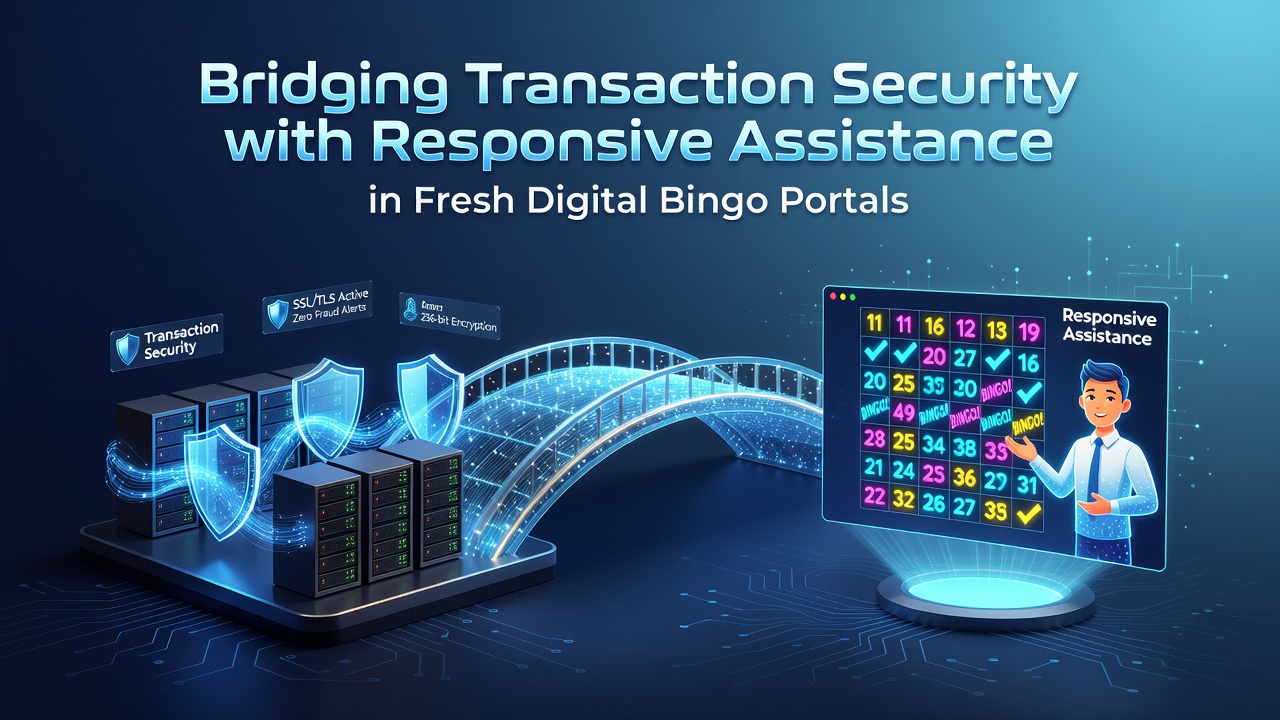
Digital bingo platforms launched in recent years have adopted layered security protocols for financial transactions while maintaining accessible customer assistance channels, and observers note that these elements often operate in tandem to address both technical and user-facing requirements. Research from regulatory bodies in multiple jurisdictions indicates that encryption standards, multi-factor authentication, and real-time monitoring tools form core components of transaction security, whereas responsive assistance typically includes 24-hour chat functions, email response systems, and automated ticket tracking.
Core Elements of Transaction Security in New Platforms
Payment processing in fresh digital bingo portals relies on compliance frameworks established by agencies such as the Nevada Gaming Control Board and the Malta Gaming Authority, which require operators to implement PCI DSS certification along with end-to-end encryption for all financial data exchanges. Data from industry reports shows that many platforms integrate tokenization methods to replace sensitive card details with unique identifiers, reducing exposure during transfers, and these measures align with broader standards seen in European and North American markets. Observers note that July 2026 marks the scheduled rollout of updated data protection guidelines in several Australian states, prompting bingo operators to review their existing security layers ahead of enforcement dates.
Real-time fraud detection systems now appear across numerous portals, where algorithms scan transaction patterns for anomalies and flag potential issues before completion. Figures from academic studies conducted at institutions like the University of Nevada, Las Vegas, reveal that such tools have contributed to measurable declines in unauthorized access attempts within monitored environments, and operators frequently combine these systems with regular third-party audits to maintain certification status.
Responsive Assistance Features and Their Integration
Customer support mechanisms in emerging bingo sites extend beyond basic query handling to include proactive outreach triggered by detected security events, and this coordination allows assistance teams to contact users directly when unusual activity appears on accounts. Platforms often deploy AI-assisted chat interfaces that route complex transaction concerns to human agents within seconds, while simpler questions receive immediate automated replies drawn from knowledge bases. Those who have examined platform operations report that response time metrics published by operators frequently fall under two minutes for initial contact during peak hours.
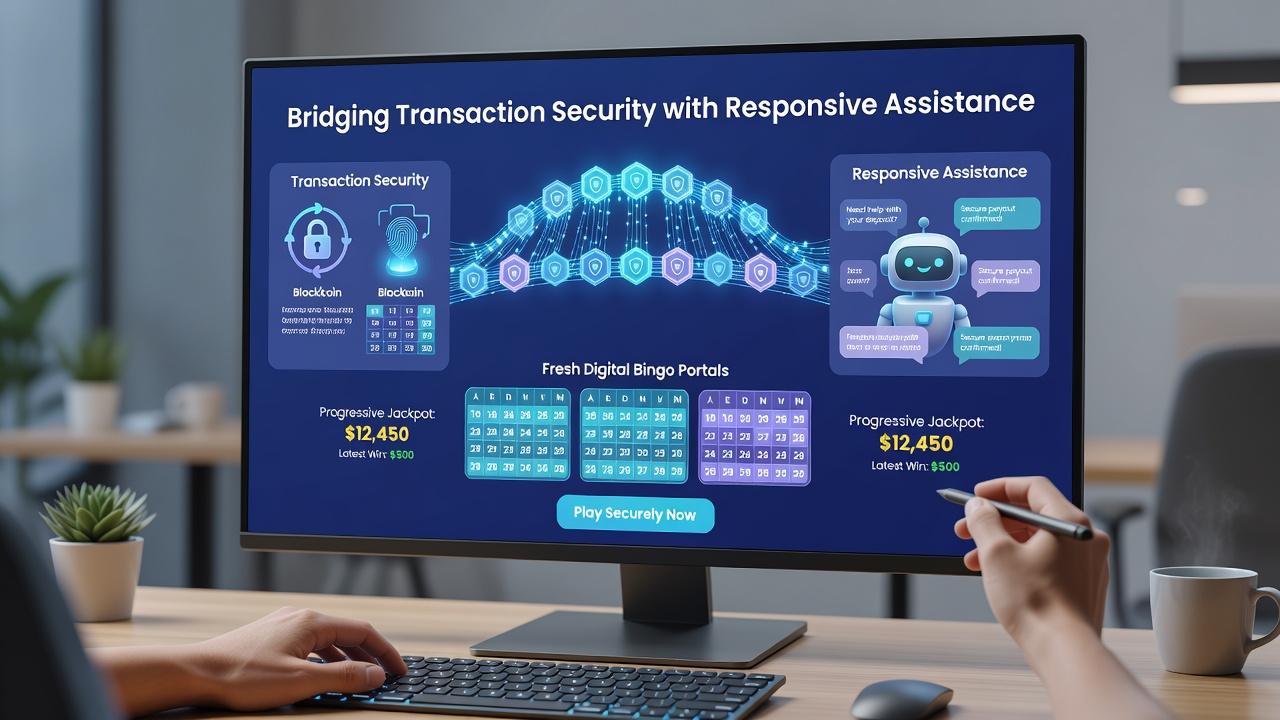
Integration between security systems and assistance channels occurs through shared dashboards that display both transaction logs and open support tickets simultaneously, enabling staff to cross-reference details without switching applications. Research indicates that this setup reduces resolution times for payment disputes, and operators cite internal metrics showing improved user retention when issues receive prompt handling. External links to resources like reports from the Australian Gambling Research Centre provide additional context on how support structures evolve alongside regulatory expectations in the Asia-Pacific region.
Operational Practices Across Regions
Platforms based in Canada and the European Union demonstrate varied approaches to combining security and assistance, with some emphasizing localized language support for transaction queries while others prioritize unified global response teams. Data compiled by the Canadian Gaming Association highlights that operators in regulated provinces maintain separate compliance officers who work alongside support staff to verify account details during assistance sessions. This dual oversight ensures that security protocols remain intact even as users receive personalized guidance on deposits or withdrawals.
Training programs for assistance personnel now incorporate modules on recognizing phishing attempts and guiding users through secure verification steps, and studies from research institutions note that such preparation correlates with fewer escalated incidents. July 2026 also brings anticipated updates to cross-border data sharing agreements that may influence how portals handle transaction records when assisting users across different jurisdictions.
Conclusion
Emerging digital bingo portals continue to align transaction security protocols with responsive assistance frameworks through shared technology and coordinated staff workflows, and available data from regulatory and academic sources documents ongoing adjustments in response to new guidelines. These developments reflect standard industry practices observed across multiple regions as operators prepare for regulatory shifts scheduled around mid-2026.