Integrating Bingo Platforms: Software Connections, Bonus Frameworks, and Support Structures
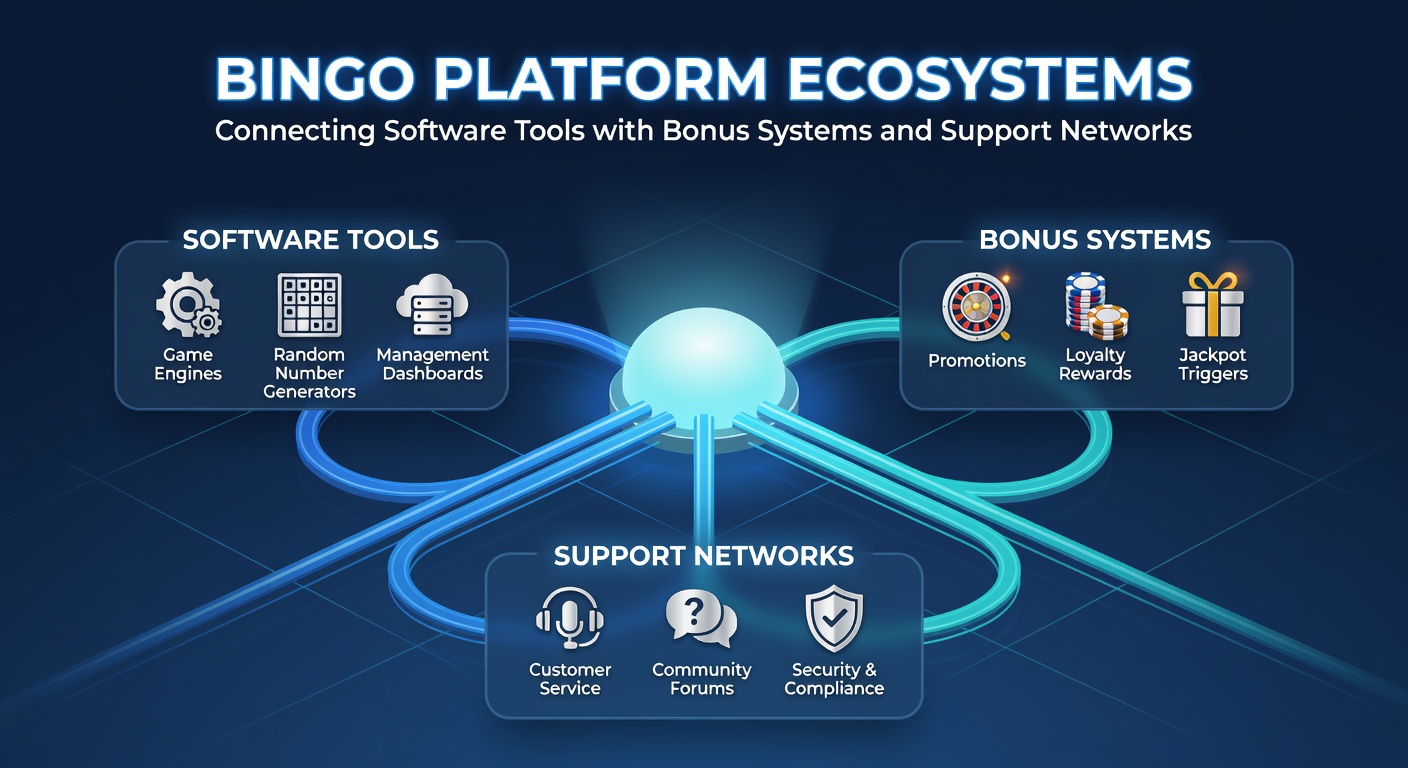
Bingo platforms operate through layered systems where software tools link directly to bonus mechanisms while support networks maintain continuous player engagement, and these connections have grown more intricate as operators expand digital offerings across multiple jurisdictions. Data from industry reports shows that platform architectures now combine random number generators, payment gateways, and user databases into unified environments that allow real-time bonus calculations and automated reward distributions without manual intervention.
Core Software Components and Their Connections
Developers build bingo platforms around modular software that includes game engines, player management systems, and analytics dashboards, yet these modules rarely function in isolation. Instead they exchange data streams through application programming interfaces that trigger bonus activations when specific gameplay thresholds are met, such as completing a set number of rounds or reaching deposit milestones. Observers note that this integration reduces processing delays, allowing bonus credits to appear in player accounts within seconds rather than hours.
Payment processing software connects to these engines through secure protocols that verify transactions before bonuses apply, and this linkage prevents discrepancies between deposited amounts and rewarded values. Research indicates that platforms using synchronized software layers report fewer reconciliation errors compared to older standalone systems, while operators in regions like Australia and Canada have adopted standardized data formats to streamline cross-border compliance checks.
Bonus Systems Within Platform Architectures
Bonus frameworks sit at the intersection of software tools and player incentives, drawing inputs from gameplay logs and account histories to determine eligibility and payout scales. These systems calculate progressive jackpots or loyalty multipliers by pulling live data from connected databases, then apply rules that adjust rewards based on session length or deposit frequency. Figures from platform analytics reveal that integrated bonus engines can process thousands of simultaneous calculations during peak hours without performance drops.
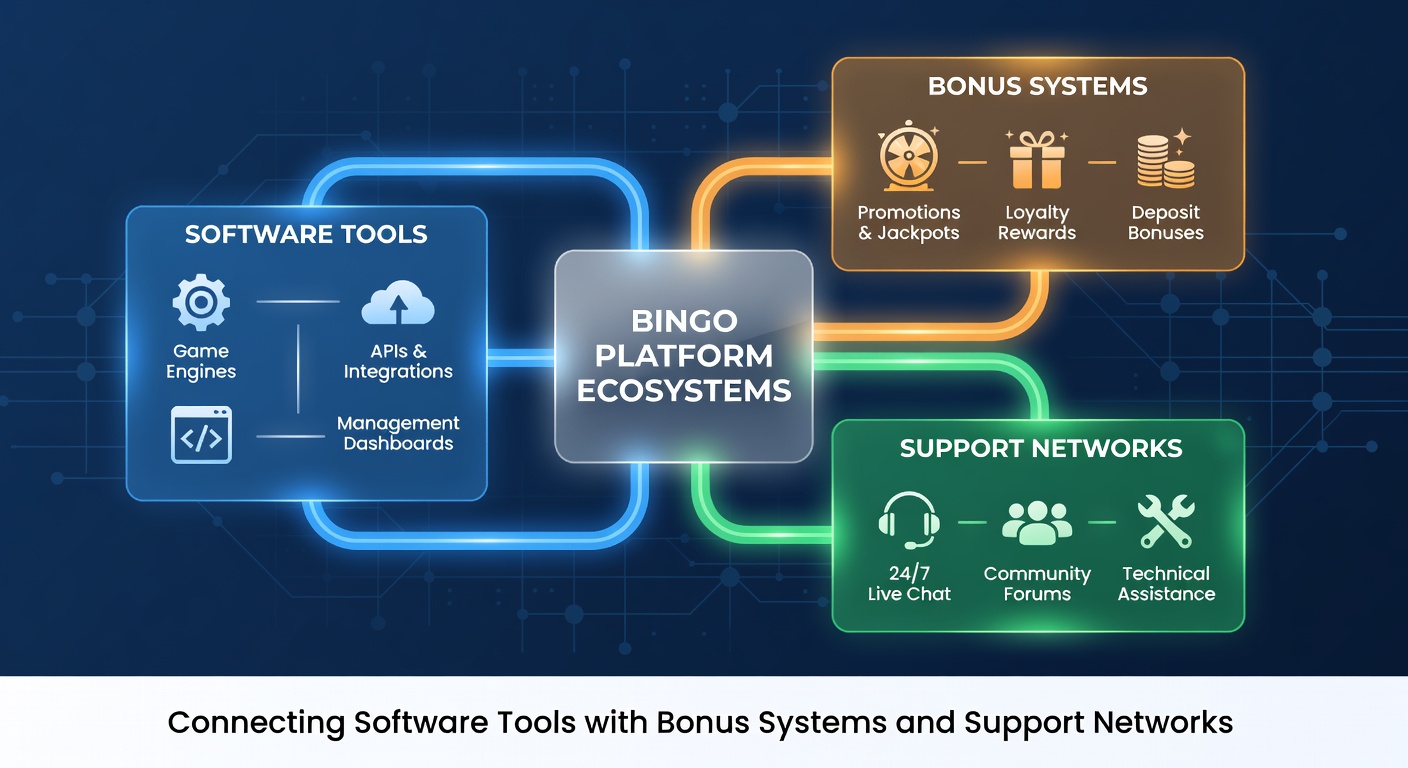
Support networks extend these bonus operations by providing channels for players to query reward status or report discrepancies, and ticket systems feed directly into the same databases that manage bonuses. This setup enables support staff to view bonus histories alongside account details during assistance sessions, which shortens resolution times for common issues like delayed credits or eligibility questions. Data shows that platforms with unified support and bonus interfaces handle inquiries more efficiently than those relying on separate tools.
Support Networks and Data Exchange Patterns
Support structures in bingo ecosystems rely on interconnected ticketing platforms, live chat modules, and community forums that share user data with core software systems, allowing agents to access real-time account information while assisting players. These networks also incorporate feedback loops where resolved issues update bonus rules or software parameters, creating iterative improvements across the platform. Experts have observed that such closed-loop exchanges help maintain consistency in how bonuses are delivered and how support responses align with actual system states.
Regulatory updates scheduled for review in June 2026 across several North American and European markets are expected to emphasize data security standards for these integrated networks, requiring encrypted channels between bonus engines and support databases. Organizations including the Canadian Gaming Association have published guidelines on secure data handling that many operators reference when upgrading their platform connections.
Case Examples of Ecosystem Integration
One documented implementation involved a multi-site operator linking its game software to a centralized bonus engine and regional support hubs, resulting in automated reward triggers that responded to player activity across different bingo variants. Another example from Australian operators shows how support networks incorporated API calls to bonus systems so that chat agents could issue compensatory rewards without leaving the assistance interface. These cases illustrate how data flows between components produce measurable operational changes without requiring separate manual processes.
Conclusion
Bingo platform ecosystems continue to evolve through tighter connections between software tools, bonus systems, and support networks, with data exchange patterns enabling faster responses and more coordinated player experiences. As integration standards advance, platforms maintain these links through shared protocols that support both reward delivery and assistance workflows across diverse regulatory environments.