Inside the Algorithms: How Bingo Software Determines Promotion Eligibility and Payout Efficiency
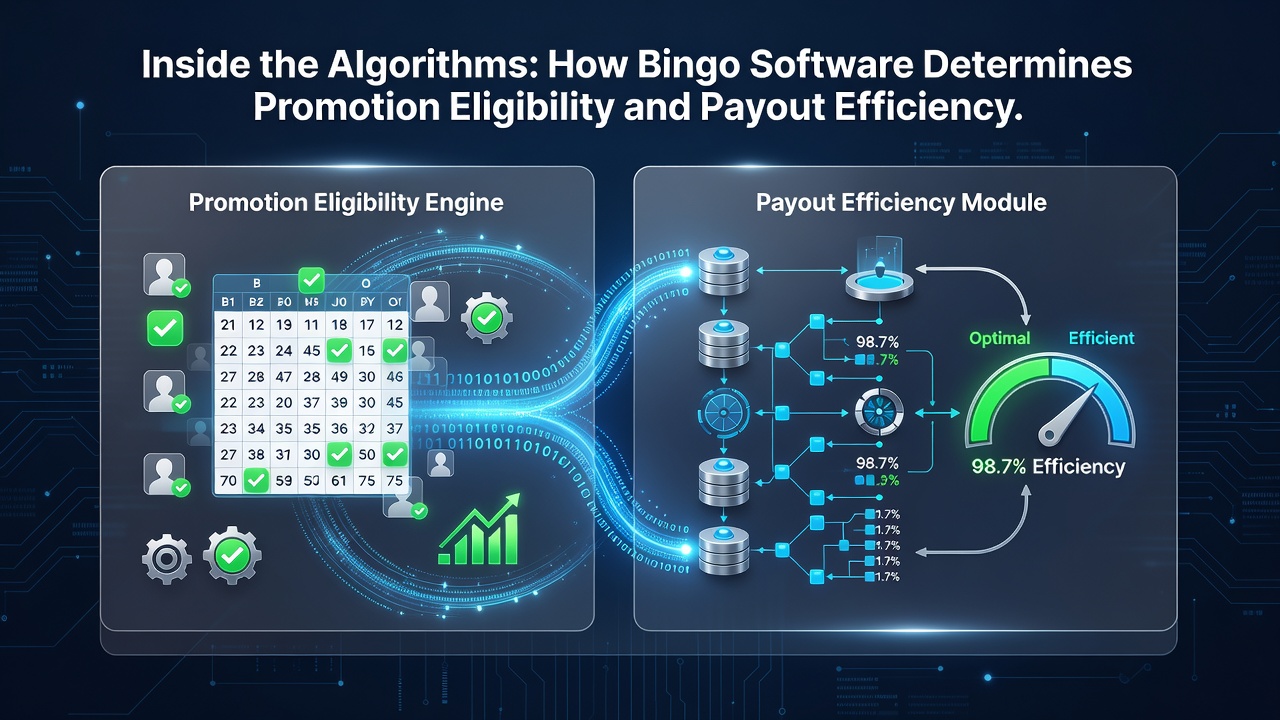 Bingo platforms rely on sophisticated software systems that process player data in real time, and these systems evaluate multiple variables before granting access to promotions while also calculating payout distributions across game sessions. Developers build these algorithms around random number generators combined with player behavior logs, deposit histories, and activity thresholds that trigger eligibility checks automatically. Software engineers design the core logic to scan account metrics such as total wagers placed, frequency of logins, and specific game selections, then cross-reference those figures against predefined promotion rules stored in backend databases. When a player meets the criteria the system flags the account for bonus activation, yet it also applies fraud-detection filters that examine patterns like rapid successive deposits or unusual geographic shifts to prevent misuse.
Player Data Integration and Eligibility Checks
Modern bingo platforms collect granular data points from every session, including card purchases, chat interactions, and session durations, which feed into centralized algorithms that score each account for promotional qualification. These scoring models weigh recent activity more heavily than older data, creating dynamic eligibility windows that reset on fixed schedules such as weekly or monthly cycles.
Operators integrate third-party verification tools that pull additional signals from payment processors and identity services, allowing the algorithm to confirm that a player satisfies age, location, and account verification requirements before unlocking rewards. In June 2026 several jurisdictions plan to roll out updated data-sharing protocols that will require bingo software to incorporate real-time regulatory feeds into these eligibility routines.
Payout Efficiency Mechanisms
Payout efficiency calculations sit at the intersection of return-to-player percentages and variance controls that software teams embed directly into the game engine. The algorithms adjust prize pools dynamically based on aggregate player contributions during each bingo round, ensuring that advertised payout rates remain consistent even as participation fluctuates throughout the day.
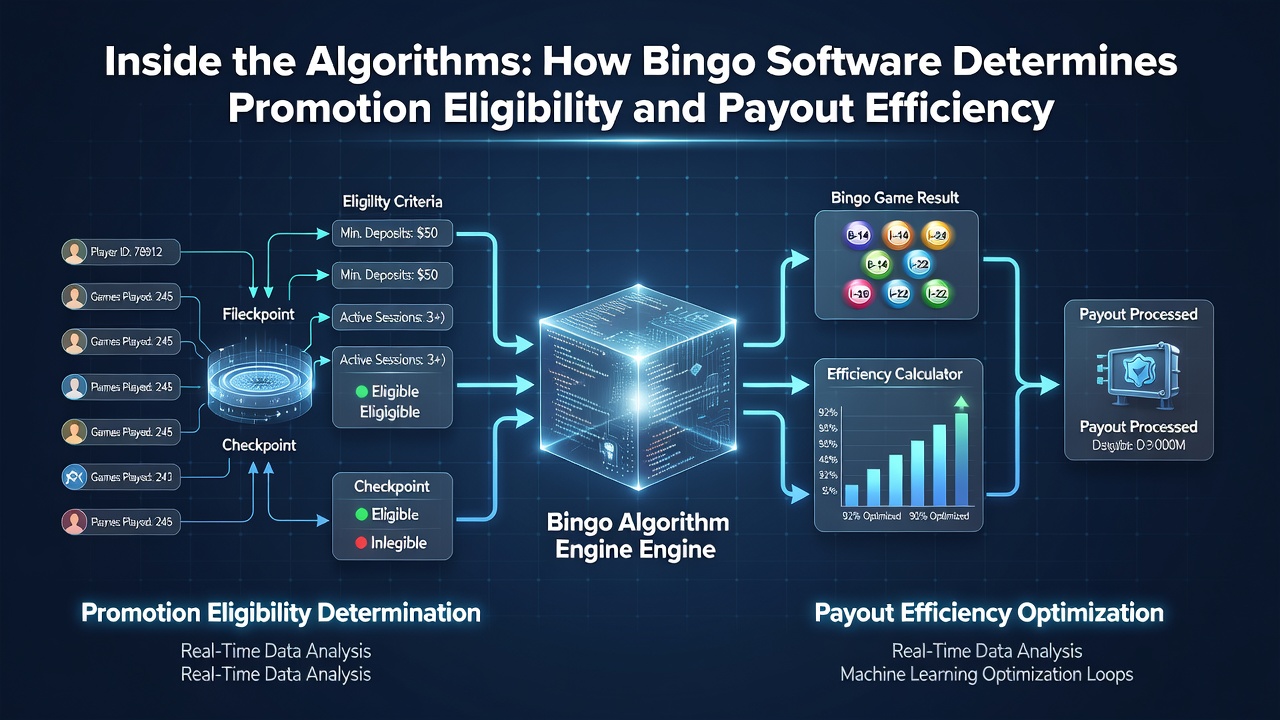
Engineers program progressive jackpot modules to draw from a percentage of every ticket sale, and these modules run separate sub-algorithms that monitor seed amounts against payout triggers so that large wins occur within expected statistical ranges. Data from industry reports shows that such systems maintain target efficiency levels by recalibrating contribution rates when player volume crosses certain thresholds.
Regulatory Compliance Layers
Compliance modules run alongside the main algorithms and perform continuous audits that log every eligibility decision and payout outcome for later review by oversight bodies. These logs capture timestamps, input variables, and final determinations, giving regulators the ability to reconstruct any promotion or payout event on demand.
One study published by the Nevada Gaming Control Board examined how algorithm transparency requirements affect software architecture, and the findings revealed that operators must now expose certain decision trees to external auditors without compromising proprietary code segments. Similar frameworks appear in Australian state regulations, where gaming authorities require periodic certification of payout engines by independent testing labs.
Case Examples from Platform Deployments
Take one operator that implemented a tiered loyalty algorithm tracking cumulative points across multiple bingo variants, and observers note that the system automatically escalated players to higher reward brackets once they crossed spend milestones within a rolling 30-day window. The same platform adjusted payout distribution curves during peak evening hours to balance server load while preserving overall efficiency targets.
Another deployment at a Canadian online network used machine-learning overlays to refine promotion eligibility by predicting which players would respond to specific bonus structures, and internal metrics indicated improved retention rates after the update. Researchers at the University of Nevada, Reno have documented comparable approaches in conference papers that analyze how these predictive layers interact with traditional rule-based checks.
Future Algorithm Developments
Industry groups such as the International Association of Gaming Regulators continue to publish guidance documents that encourage standardized interfaces for algorithm reporting, and these documents outline minimum data fields that must accompany every promotion decision and payout calculation. Software vendors have begun releasing modular toolkits that allow operators to plug in new compliance rules without rewriting core eligibility or efficiency engines.
Conclusion
Bingo software continues to evolve through layered algorithms that manage both promotion access and payout distributions with increasing precision, and these systems depend on continuous data flows, regulatory oversight, and statistical controls to function reliably across global markets. Operators that maintain transparent logging and adaptive scoring models position themselves to meet emerging standards scheduled for 2026 while sustaining consistent player experiences.