Charting Player Pathways Amid Loyalty Shifts in Digital Number Match Networks
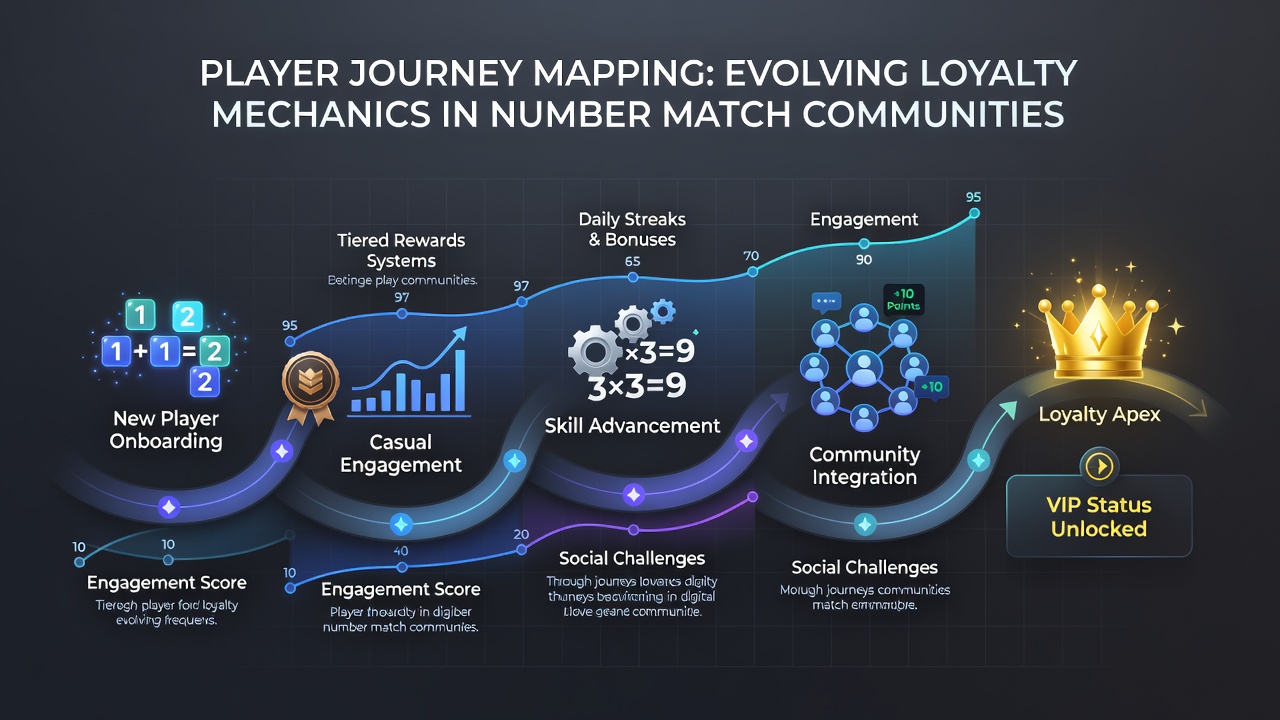
Digital number match communities continue to refine loyalty mechanics as player behaviors shift across platforms, and observers note that these changes reshape how participants move through engagement stages over time. Data from industry reports shows that retention rates rise when systems adapt rewards based on session frequency and achievement milestones, while patterns emerge in how users progress from initial trials to sustained activity. Researchers tracking these trends highlight that July 2026 figures reveal increased adoption of tiered structures incorporating personalized challenges tied to number sequence completions.
Initial Engagement and Early Loyalty Triggers
Players typically enter these networks through free entry points or low-stakes matches, and systems respond by logging early patterns such as daily logins or consecutive completions that unlock basic rewards. According to analyses from the Canadian Gaming Association, entry-level mechanics often focus on streak bonuses that encourage repeat visits within the first week, creating data points for later personalization. Those studying user flows find that visual progress indicators help maintain momentum during this phase, whereas abrupt reward gaps lead to higher exit rates before deeper involvement develops.
Progression Through Tiered Reward Structures
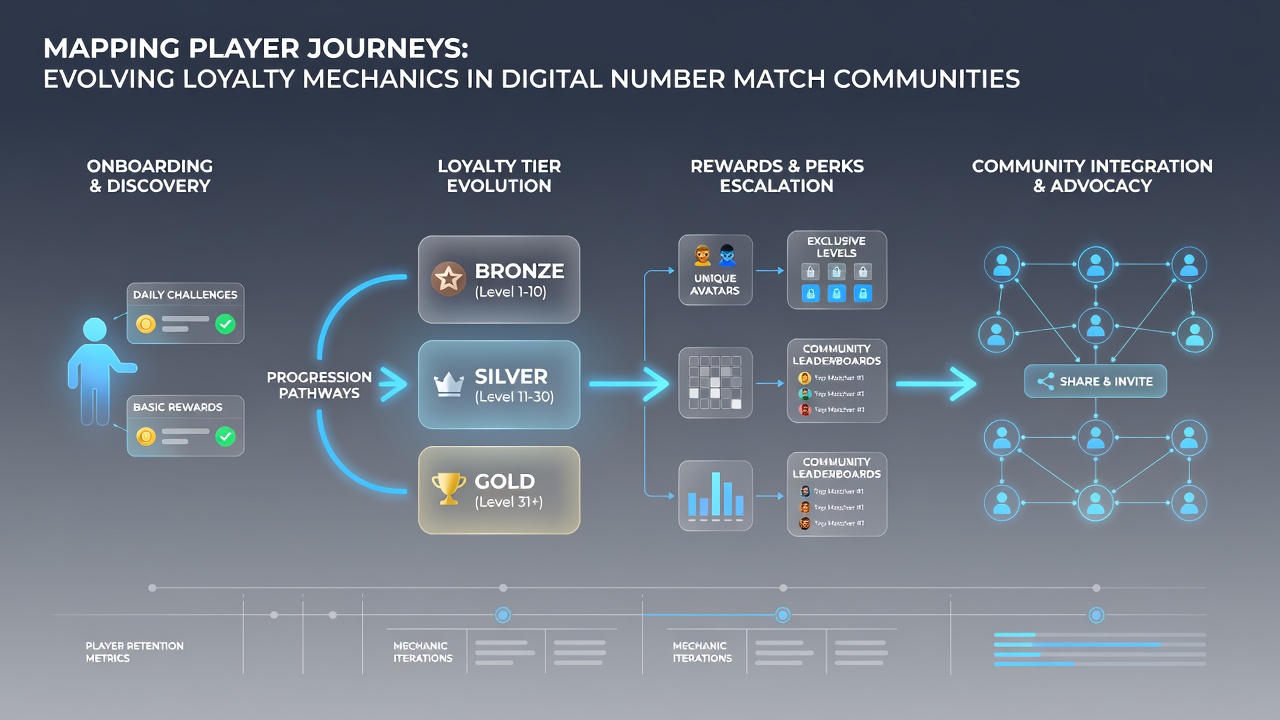
As participation extends, loyalty frameworks introduce ascending levels that adjust point multipliers and access to exclusive matches, and evidence from platform metrics indicates these tiers correlate with extended session durations. Studies published in gaming research journals demonstrate that mid-tier users respond strongly to hybrid rewards blending virtual currency with social recognition elements, while advanced segments prioritize competitive leaderboards. The reality is that mapping tools now integrate behavioral analytics to predict when individuals might stall, allowing adjustments before disengagement occurs.
One documented case from Australian market data shows platforms using sequential unlocking sequences where number match accuracy directly influences loyalty point accrual rates, resulting in smoother transitions between stages. External factors like device type and time-of-day preferences further refine these pathways, according to aggregated usage statistics.
Integration of Dynamic Mechanics and Retention Data
Recent updates incorporate real-time adjustments to loyalty offers based on collective community activity, and figures from European gaming oversight bodies indicate this approach sustains longer participation cycles compared to static models. What's interesting is how seasonal events in July 2026 aligned with number match tournaments that temporarily boosted point values, creating spikes in cross-tier movement. Those mapping these journeys observe that combining achievement badges with cumulative spend tracking produces more predictable advancement patterns.
Platforms employ heatmaps and funnel visualizations to identify friction points where players hesitate, and industry reports link successful interventions to reduced drop-off during mid-journey phases. Research indicates that loyalty mechanics emphasizing collaborative challenges rather than purely individual metrics foster stronger network effects within communities.
Analytical Tools Supporting Journey Mapping
Specialized software aggregates session logs, reward redemptions, and social interactions into comprehensive timelines, while data shows these tools help operators refine mechanics without disrupting existing flows. Observers note that integration with third-party analytics platforms allows for cross-community comparisons that highlight regional variations in loyalty response. In one instance, North American operators adjusted their systems after reviewing aggregated July 2026 performance indicators that pointed to underutilized bonus categories.
Conclusion
Mapping these pathways reveals consistent structures where loyalty mechanics guide progression through measurable stages, and ongoing refinements based on performance data support sustained community growth. Continued monitoring of engagement metrics will likely shape future iterations as number match platforms adapt to emerging player patterns across global markets.