Bridging Global Bingo Play: Software Ecosystems and Payment Networks in Action
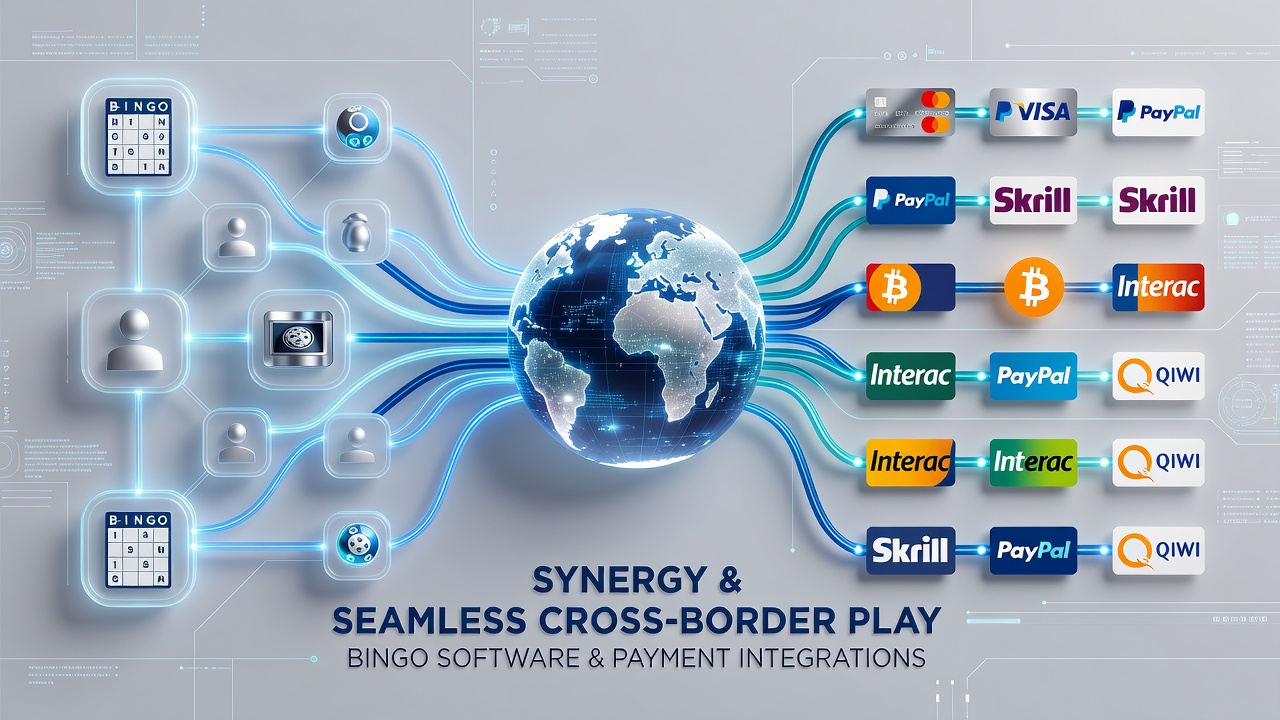
Software providers in the bingo sector have developed modular platforms that connect directly with payment processors, enabling players to complete transactions regardless of location or preferred method, and this connectivity has expanded notably as operators seek to serve international audiences. Data from industry tracking services shows that by early 2026, cross-border bingo participation had risen in markets where software suites included real-time currency conversion and localized compliance layers.
Core Components of Bingo Software Architecture
Modern bingo platforms rely on backend systems built by specialized developers that handle game logic, player management, and regulatory reporting in a single framework, while these same systems expose APIs for payment gateways to plug in without disrupting core operations. Providers such as those supplying random number generation engines and lobby interfaces often bundle modules that support multiple languages and jurisdictions from the outset, which reduces the need for custom development when operators expand into new territories.
Observers note that integration points typically cover credit cards, e-wallets, bank transfers, and emerging options like instant bank payments, with each method routed through processors that manage fraud detection and settlement. In June 2026, several platform updates introduced enhanced tokenization standards that further streamlined how payment data moves between bingo software and external financial networks.
Payment Integration Patterns Across Regions
Different markets favor distinct payment rails, yet bingo software has adapted by supporting region-specific processors that comply with local banking rules and tax reporting, and this flexibility allows operators to activate new methods through configuration rather than full recoding. Research from the World Lottery Association indicates that platforms using unified payment layers saw higher retention rates among players who cross borders frequently, since transaction failures dropped when fallback options activated automatically.
Payment diversity also includes support for prepaid vouchers and mobile carrier billing in areas where traditional banking access remains limited, while software providers maintain certification lists that verify each integration meets security benchmarks set by bodies such as the Malta Gaming Authority and the Nevada Gaming Control Board. Those certifications cover encryption protocols and data residency requirements that vary by country.
Technical Synergies Driving Seamless Transactions
Collaboration between bingo software teams and payment specialists centers on shared data flows where game outcomes trigger instant balance updates and withdrawal requests route back through the same API stack, and this closed loop minimizes latency that once caused player drop-off during peak hours. Developers have implemented webhook systems that notify both the bingo engine and the payment processor of status changes in real time, reducing reconciliation errors that previously required manual intervention.
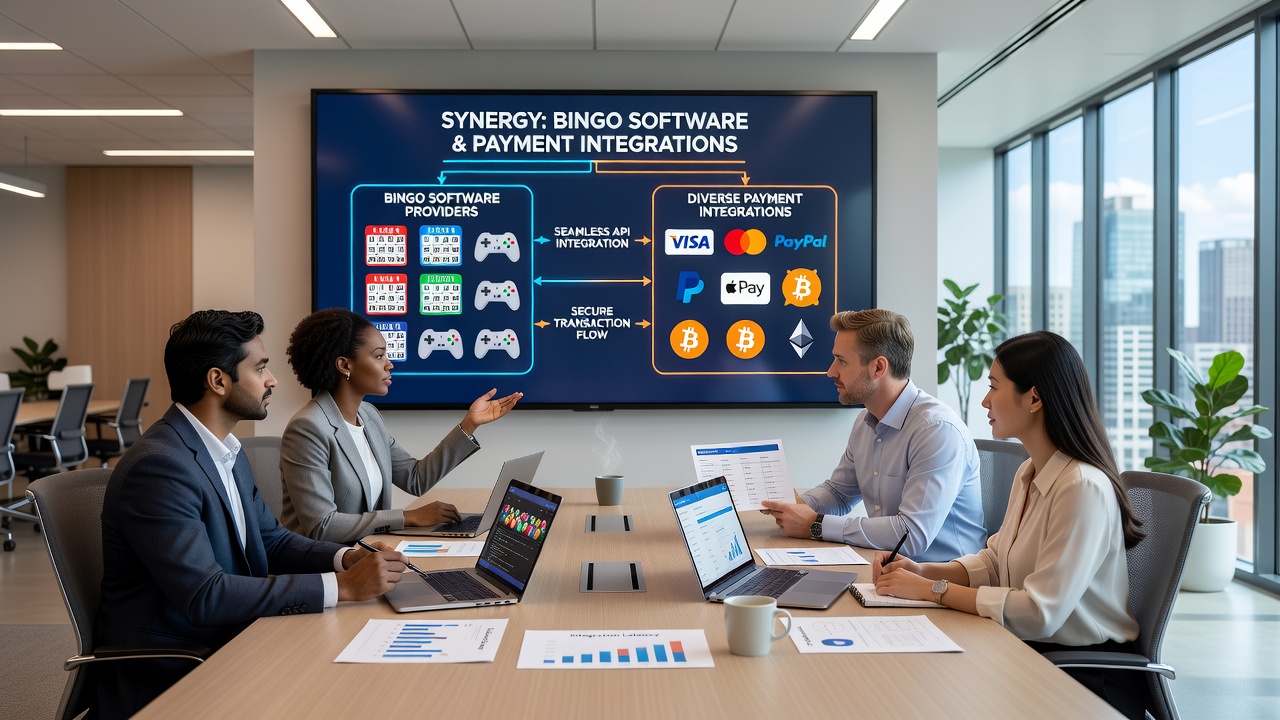
Additional layers handle currency risk through automated hedging tools that software vendors now embed, allowing operators to offer stable pricing even when exchange rates fluctuate rapidly. Figures from academic analyses conducted at the University of Nevada, Las Vegas, reveal that such hedging reduced operational costs for cross-border bingo sites by measurable margins between 2024 and 2026.
Regulatory Compliance and Data Handling
Software providers embed jurisdiction-specific rules into their payment modules so that operators can toggle settings for each market without rebuilding core code, and this approach satisfies requirements from multiple regulators simultaneously. Compliance teams at these firms track updates from agencies including the Alcohol and Gaming Commission of Ontario and the New Zealand Department of Internal Affairs, then push configuration changes through centralized dashboards.
Players benefit when age verification and responsible gaming flags travel alongside payment authorizations, ensuring that transaction approvals align with broader platform safeguards. Documentation from trade groups such as the European Gaming and Betting Association outlines how standardized data schemas have accelerated audits and shortened approval timelines for new payment methods.
Future Developments and Market Expansion
Looking ahead from June 2026, software roadmaps emphasize deeper partnerships with fintech firms that specialize in stablecoins and programmable payments, which could further reduce settlement times for international bingo sessions. These integrations require continued alignment on security standards, yet early pilots already demonstrate reduced chargeback rates when players use verified digital assets.
Operators who maintain flexible payment stacks report the ability to launch in additional countries within weeks rather than months, because the underlying software already supports the required connectors. Continued evolution in this area hinges on ongoing dialogue between platform developers, payment networks, and regulatory bodies worldwide.
Conclusion
The interplay between bingo software providers and diverse payment systems continues to shape how cross-border play functions, with technical integrations and compliance frameworks working in tandem to support smoother experiences. As platforms incorporate new financial technologies and respond to regulatory shifts, the infrastructure supporting global participation keeps adapting to meet operational demands across regions.