Bingo's Digital Backbone: Connections Between Platform Software, Payment Flexibility, and User Assistance Programs
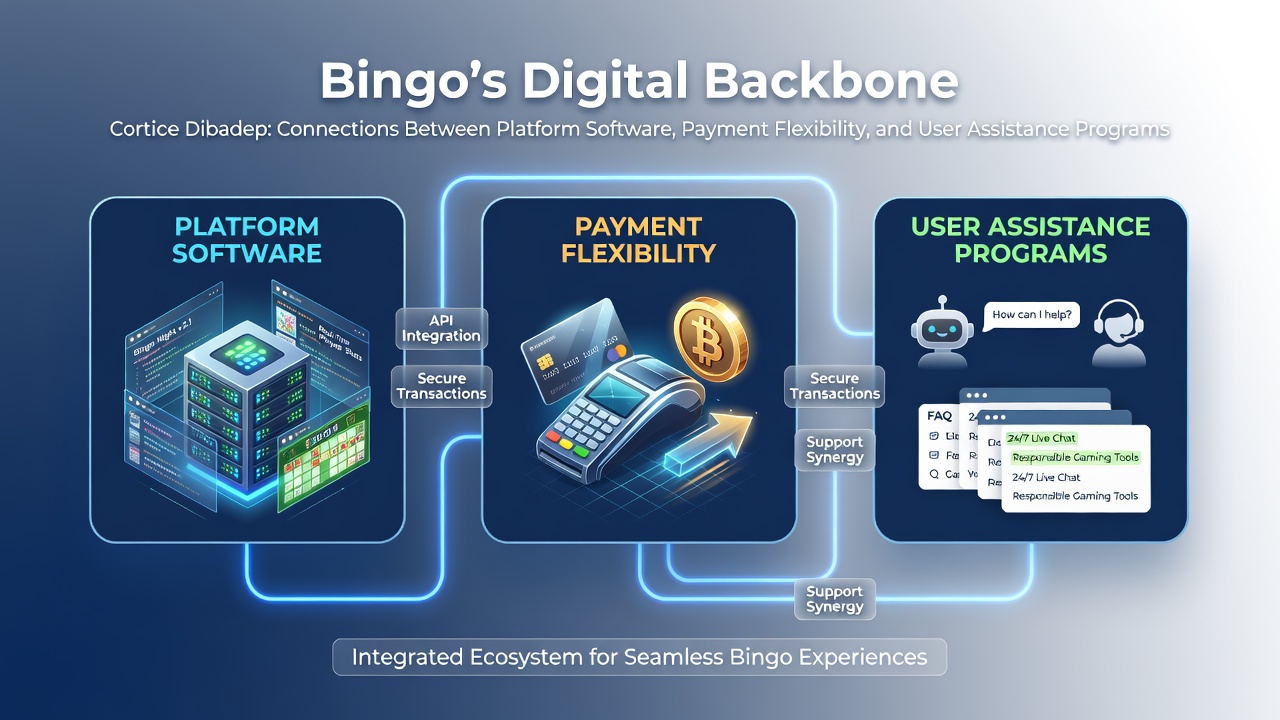 Platform software forms the core infrastructure for modern bingo operations, handling game logic, player interfaces, and backend data processing in unified environments. Developers build these systems to connect directly with payment gateways, creating pathways for deposits and withdrawals that adjust to various methods including cards, e-wallets, and bank transfers. This integration allows operators to maintain transaction records while complying with regional standards that emerged in updates around July 2026. Payment flexibility expands when software modules incorporate real-time verification tools, letting users select options based on location and preference without disrupting gameplay sessions. Systems route transactions through secure APIs that log details for auditing purposes, and data from industry reports shows reduced processing times in networks that link these features early in development cycles. Observers note that such connections support broader access across devices, particularly as mobile frameworks gain ground in multiple markets. User assistance programs rely on the same software foundations to deliver features like session timers, spending trackers, and self-exclusion options. These tools pull data from payment histories to flag patterns, enabling automated prompts that appear within the platform interface. Research from the National Council on Problem Gambling indicates that integrated systems improve response rates to player queries by streamlining information flows between transaction logs and support dashboards.
Platform Software as the Central Hub
Engineers design bingo platforms with modular architectures that separate game engines from financial processors yet maintain constant communication channels. This structure lets updates to one area propagate across others without full system overhauls. For instance, a software patch addressing latency in number generation can simultaneously adjust how payment confirmations display to avoid interrupting active games.
Database schemas in these platforms store player profiles alongside transaction metadata, creating searchable records that feed both operational reports and assistance interventions. Those who've examined code repositories find that open standards for data exchange reduce integration errors when adding new payment providers mid-cycle.
Payment Flexibility Through Linked Systems
Payment gateways connect to platform cores via encrypted endpoints that verify funds before releasing game credits. Flexibility arises from support for multiple currencies and methods, with software handling conversions and fee calculations in background processes. Figures from the Canadian Gaming Association reveal that sites using unified APIs process an average of 15 percent more varied transaction types per month compared to siloed setups.
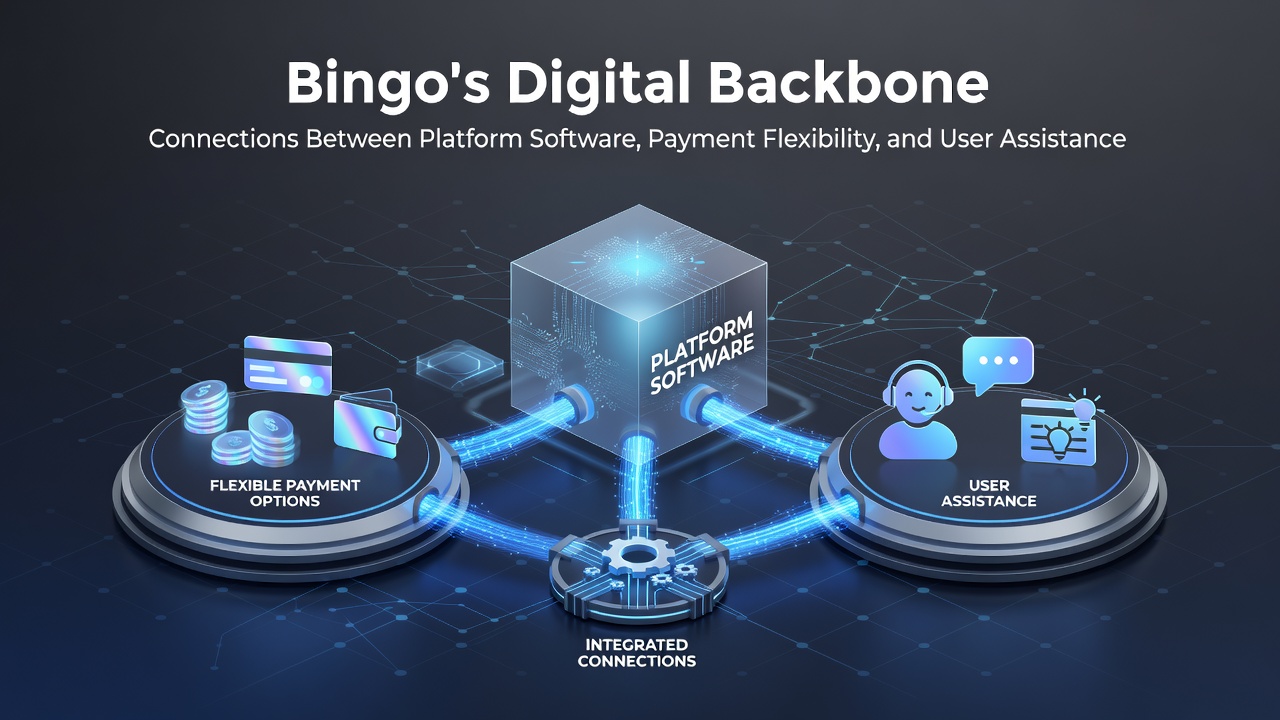
Regional regulations influence these connections, requiring platforms to adapt withdrawal limits and verification steps based on jurisdiction. In Australia, guidelines from the Australian Communications and Media Authority push for clear disclosure of processing times within the user interface itself. Software teams respond by embedding configurable rulesets that update dynamically when laws shift.
User Assistance Programs Built on Shared Data
Assistance features activate through triggers embedded in the software layer, drawing from payment activity to suggest breaks or limits. Programs include chat support routed to agents who access anonymized transaction summaries, plus automated emails triggered after certain thresholds. Academic studies published through the University of Nevada's gaming research division demonstrate that platforms with tight software-payment linkages report higher engagement with these tools among registered users.
Self-service portals within the same ecosystem let players adjust personal settings for reminders or exclusions, with changes reflected instantly across connected modules. This setup avoids the delays common in disconnected systems where support staff must manually sync records between departments.
Integration Challenges and Solutions
Security protocols must span all three areas to prevent unauthorized access during transfers or data queries. Encryption standards like TLS 1.3 apply uniformly, while audit trails capture events from login through payout completion. Teams that implement centralized logging find faster resolution of discrepancies that span software bugs and payment disputes.
Scalability testing in July 2026 environments showed platforms handling peak loads during promotional events without dropping assistance notifications or payment confirmations. Load balancers distribute traffic while preserving session continuity for users mid-game.
Conclusion
Connections between platform software, payment flexibility, and user assistance programs create cohesive environments where each component reinforces the others. Data exchange protocols enable the flow of information needed for compliance, efficiency, and player support across global operations. Continued refinement of these links supports adaptation to new technologies and regulatory landscapes as they develop.