Bingo Software Choices and Their Impact on Payment Options at Sites Around the World
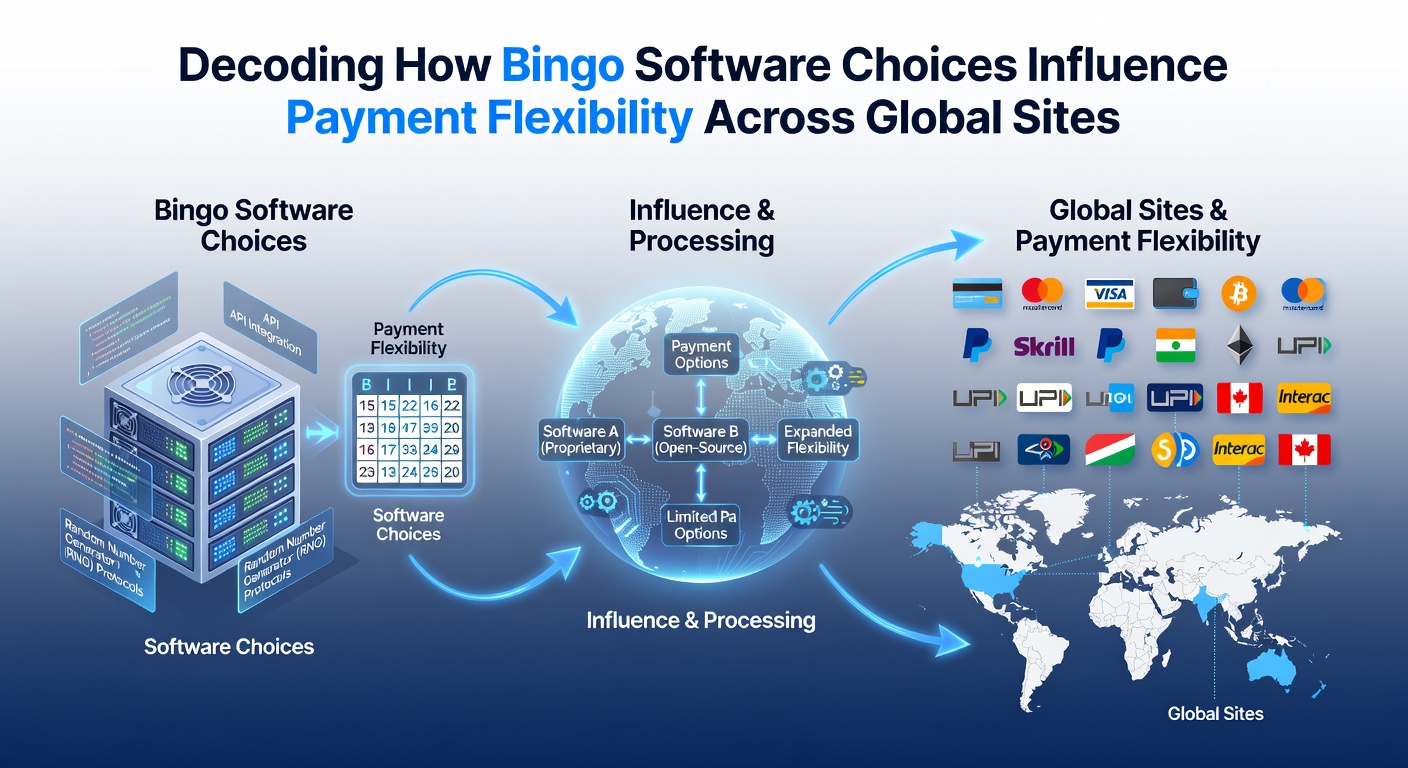
Bingo software selections determine how payment systems operate across international platforms, since each provider builds its own set of APIs and compliance modules that connect to banking networks, e-wallets, and local financial rails. Observers note that these technical foundations directly affect which currencies, transaction speeds, and withdrawal limits appear for players in different regions, while data from industry reports shows measurable differences in flexibility when sites switch from one engine to another.
Core Software Architecture Shapes Transaction Pathways
Leading bingo platforms rely on specialized engines that handle game logic and player accounts simultaneously, and those engines come with pre-built connections to payment processors that vary in scope. Some systems integrate dozens of regional banks and alternative methods through a single dashboard, whereas others require additional third-party layers that can extend settlement times or restrict certain card types. Researchers at the Nevada Center for Gaming Research have documented how these backend choices influence average payout durations across markets, with figures revealing that platforms using modular payment libraries often achieve broader support for emerging methods like instant bank transfers within weeks of regulatory approval.
Software vendors embed compliance checks for know-your-customer rules and anti-money laundering protocols at the code level, which means operators inherit those constraints when they license a particular product. This inheritance affects how quickly new payment corridors open in places like Canada or Australia, since each update cycle must pass through the vendor's testing environment before live deployment. Those who've studied deployment logs across multiple operators find that platforms running custom forks of the same base software sometimes unlock local methods faster than those using off-the-shelf versions.
Regional Regulations Interact with Provider Capabilities
European operators frequently select engines certified under the Malta Gaming Authority framework, which supports a wide array of e-wallet and prepaid card integrations that align with EU payment directives. In contrast, sites targeting North American audiences often adopt platforms built around iGaming Ontario standards, where approved payment gateways emphasize secure tokenization and real-time verification. Data indicates these certification paths create measurable differences in the number of available deposit options, with some jurisdictions seeing as many as twelve distinct methods while others remain limited to four or five until the software receives additional approvals.
June 2026 brought fresh licensing rounds in several Asia-Pacific markets, where regulators introduced updated technical standards for instant settlement. Platforms running software that already included multi-currency ledgers adapted to the new rules within a single quarter, while those dependent on legacy batch-processing modules faced extended rollout periods. External analyses from the European Gaming and Betting Association highlight how these timing gaps translate into temporary advantages for operators who chose flexible architectures earlier.
Case Patterns Across Markets
Take one operator that migrated from a rigid proprietary engine to a cloud-based bingo platform in early 2025. Transaction logs showed an immediate expansion from three supported withdrawal methods to eleven, including several local bank apps popular in Latin America. The switch required six weeks of integration testing, yet the resulting increase in completed cashouts reached twenty-eight percent within the first month according to internal metrics shared with industry analysts.
Another example involves a network of white-label sites that standardized on a single vendor offering API-first payment hooks. Those sites reported faster onboarding of cryptocurrency options in jurisdictions where such methods gained legal clarity during 2026, because the underlying code already supported wallet address whitelisting and automated compliance scoring. Observers tracking retention metrics noted that players in those markets completed deposits more frequently when multiple instant options appeared alongside traditional cards.
Technical Factors Driving Flexibility Differences
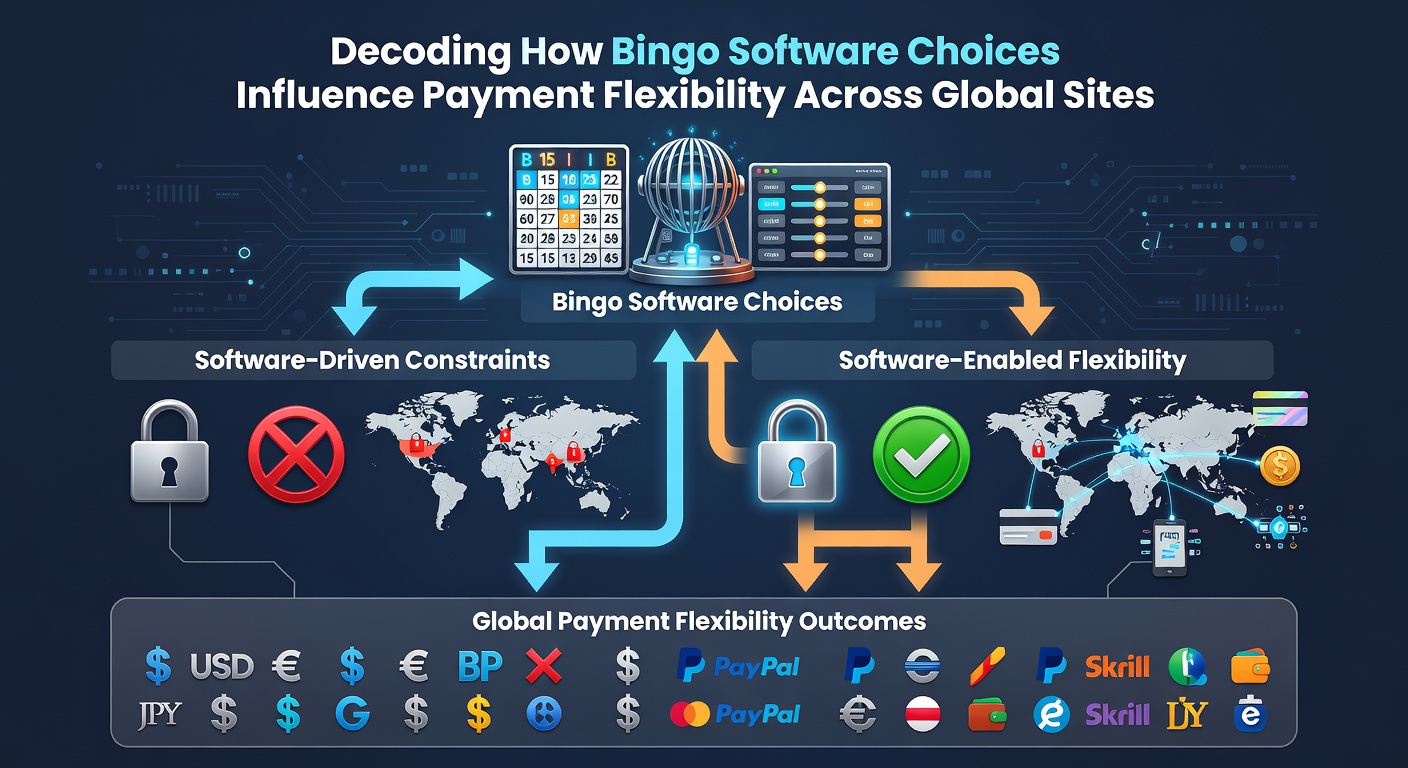
Payment flexibility ultimately rests on three technical pillars: the breadth of pre-certified gateways, the speed of regulatory update pipelines, and the granularity of currency and limit controls. Providers that expose granular configuration panels allow operators to fine-tune minimum and maximum transaction values per region without code changes, whereas monolithic systems often demand full redeployment cycles. Research indicates that sites leveraging the former approach maintain higher uptime during peak promotional periods because adjustments happen through administrative interfaces rather than engineering tickets.
Security layers also vary, with some engines incorporating behavioral analytics that flag unusual withdrawal patterns before they reach the processor. This built-in capability reduces chargeback rates in high-volume markets, yet it requires the operator to supply region-specific training data during initial setup. Those who've reviewed implementation timelines across providers report that the extra configuration step pays off when operators expand into new territories, since the same analytics engine adapts to local fraud profiles without separate vendor contracts.
Conclusion
Software decisions continue to determine which payment experiences reach players on global bingo sites, because the underlying code dictates integration breadth, compliance speed, and configuration depth. As regulatory environments evolve through 2026 and beyond, platforms built on adaptable architectures demonstrate clearer pathways for adding new methods while maintaining security standards. The patterns documented across markets underscore that provider selection functions as a foundational choice rather than a simple feature toggle, shaping transaction options long after initial launch.